
BTMETER BT-100 Handheld Anemometer
4.5Editor score
Multiple wind speed units
Tripod mounting hole
Backlit LCD screen
This guide compares the top 10 marine anemometers for sailors and boaters, covering handheld units and professional systems for accurate wind data.
Marine anemometers are essential tools for sailors and boaters who need accurate wind data for safety and performance. Whether you are racing or cruising, reliable wind speed and direction measurements help you make informed decisions on the water.
We evaluated ten top-rated products ranging from affordable handheld meters to professional marine instrumentation systems. Our comparison focuses on accuracy, durability, ease of use, and specific features that matter most in marine environments.
Each pick highlights key strengths and ideal use cases to help you find the right device for your vessel. Please note that product availability and prices can change frequently, so verify current details before purchasing.
4.5Editor score

4.6Editor score

4.4Editor score
The following table provides a side-by-side overview of all ten products to help you quickly compare key specifications and features.



The TopTes TS-301 stands out as a top contender for marine use due to its large screen and humidity sensing. It holds a strong rating from users who appreciate its clarity and simplicity in outdoor settings.
We may earn a commission when you buy through this link, at no additional cost to you.
Its standout feature is the 2.26 inch backlight screen which ensures visibility in bright sunlight or low light conditions. The inclusion of humidity data alongside wind speed adds value for sailors monitoring atmospheric conditions.
While accurate the temperature and humidity sensors may require up to thirty minutes to stabilize in a new environment. This is a minor trade-off for the price point and overall functionality provided.
This unit is ideal for recreational sailors who need quick reliable readings without investing in full instrumentation. It balances performance and affordability effectively for most casual boating needs.
The oversized LCD with backlight ensures you can read wind data clearly even in direct sunlight or at night.
Measuring humidity alongside wind speed helps you anticipate weather changes more effectively on the water.
We may earn a commission when you buy through this link, at no additional cost to you.
The BTMETER BT-100 offers excellent value for sailors on a budget who still need accurate wind speed and temperature readings. It is a popular choice for hobbyists and casual users who do not require marine grade ruggedization.
We may earn a commission when you buy through this link, at no additional cost to you.
One of its best features is the threaded tripod hole which allows for stable mounting when measuring wind over time. This is particularly useful for setting up on a boat railing or mast for consistent readings.
While it lacks humidity sensing the unit provides reliable wind chill calculations which are helpful for comfort planning. The included case protects it well during transport to and from the water.
Choose this model if you want a straightforward and affordable tool for general wind monitoring. It delivers solid performance for the price without unnecessary complexity.
The tripod thread lets you secure the device for long term monitoring without holding it manually.
Switch between knots mph and other units easily to match your navigation preferences.
We may earn a commission when you buy through this link, at no additional cost to you.
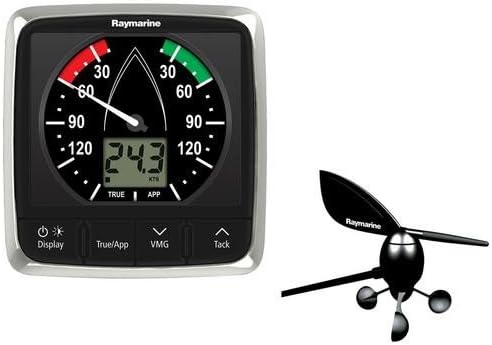
The Raymarine i60 Wind System represents a professional grade solution for serious sailors needing integrated wind data. It includes the masthead transducer and display which simplifies setup for those upgrading older systems.
We may earn a commission when you buy through this link, at no additional cost to you.
Its analog dial with red backlighting offers high contrast readability in varying light conditions. The system tracks VMG tack and max wind speed providing critical data for racing or safety.
Installation requires routing cables and mounting the masthead which can be time consuming and may need a professional. The cost is also significantly higher than handheld units reflecting its specialized nature.
This system is best for boat owners wanting permanent reliable wind instrumentation. It ensures long term accuracy and durability in harsh marine environments.
Get speed direction and VMG in one display to optimize your sailing performance immediately.
Red backlighting preserves night vision while keeping the display easy to read after sunset.
We may earn a commission when you buy through this link, at no additional cost to you.
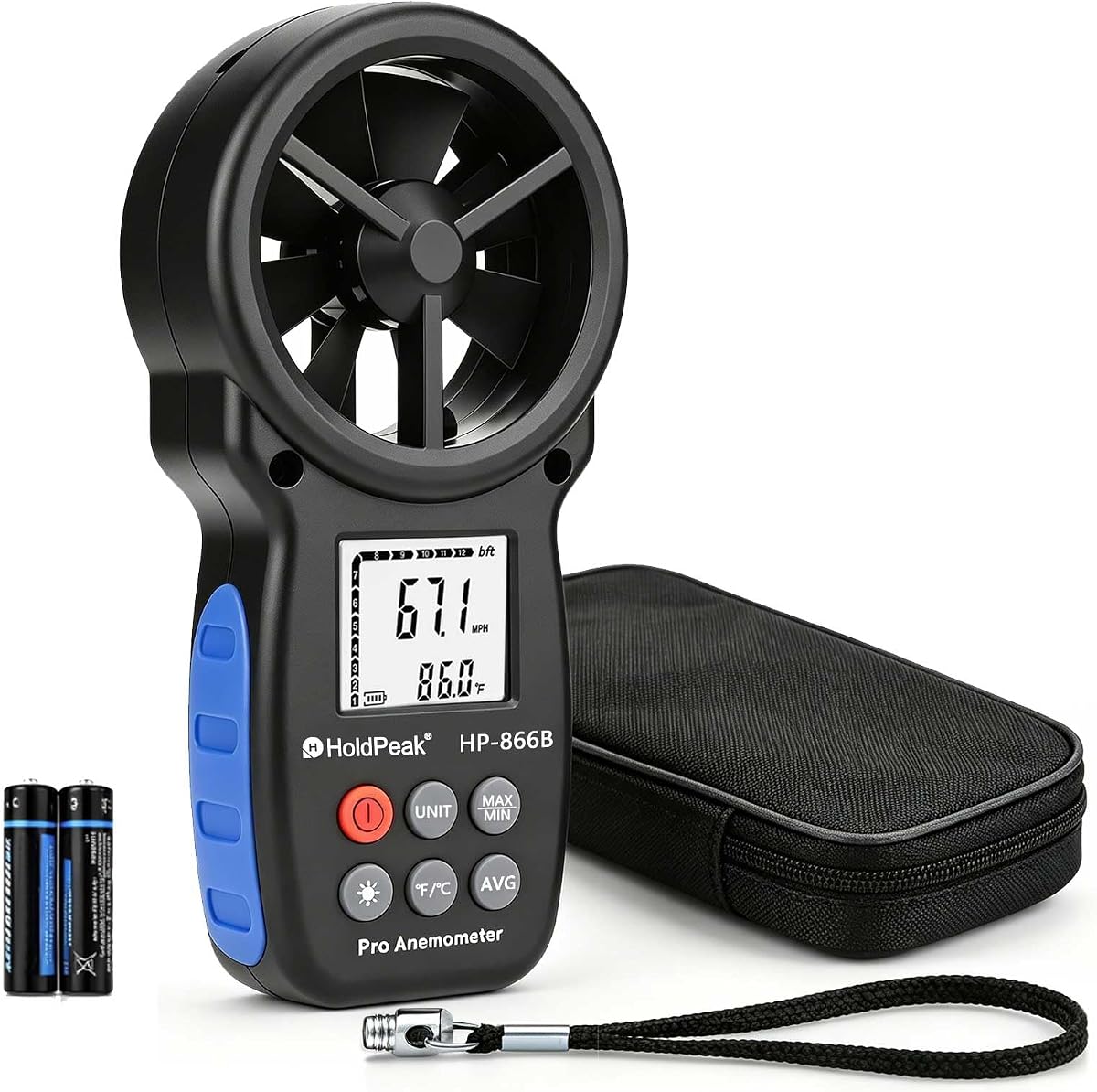
The HoldPeak 866B is a robust handheld option designed for frequent outdoor use. It shares similar specs with other handhelds but includes a waterproof pouch and hand strap which enhance portability and safety.
We may earn a commission when you buy through this link, at no additional cost to you.
Its dual temperature sensors and smooth fan shaft ensure consistent readings even in turbulent wind conditions. The Max Min Average feature is useful for tracking wind gusts over a period.
While it is lightweight the plastic build may not withstand severe impacts or prolonged saltwater spray without care. It is best used for temporary measurements rather than permanent installation.
Buy this if you need a reliable tool for occasional sailing or drone flying. The included accessories make it ready to use out of the box.
The hand strap prevents drops on deck which is crucial when working around moving parts.
Max Min Average functions help you understand wind variability during a sail.
We may earn a commission when you buy through this link, at no additional cost to you.
This Raymarine i60 system delivers comprehensive wind data with a customizable display suited for advanced boating. The masthead transducer is engineered for reliability in extreme marine conditions.
We may earn a commission when you buy through this link, at no additional cost to you.
The display allows you to choose which data fields are most important such as true wind angle or apparent wind angle. This flexibility ensures you see the metrics that matter most for your sailing style.
Setup involves mounting the transducer and configuring the display which can be intricate for beginners. The cost reflects the professional quality and durability expected from marine grade equipment.
Select this system for long term use on a vessel exposed to harsh weather. It provides peace of mind through proven reliability and clear data presentation.
Customize your screen to show exactly the wind metrics you need most often.
The transducer is built to withstand saltwater and extreme weather for years.
We may earn a commission when you buy through this link, at no additional cost to you.
The Mcbazel 3 in 1 is an inexpensive option that adds Beaufort scale readings to wind speed and temperature. This makes it suitable for sailors who want a classic weather reference alongside modern digital data.
We may earn a commission when you buy through this link, at no additional cost to you.
Its double line LCD shows both temperature and speed simultaneously which saves time when checking conditions. The device is very light and fits easily in a pocket or small bag.
Build quality is basic and it may not survive drops or immersion in water. It relies on AAA batteries which are not included so you must procure them separately.
Use this for quick checks or as a backup device when sailing. It is a cost effective way to get essential wind data without spending much.
The Beaufort scale helps you relate digital wind speeds to traditional weather conditions.
Auto off and battery indicator ensure you do not get caught without power unexpectedly.
We may earn a commission when you buy through this link, at no additional cost to you.
This product is the display unit for the i60 system without the masthead. It is ideal for those replacing a broken display on an existing Raymarine setup.
We may earn a commission when you buy through this link, at no additional cost to you.
The design matches older ST60+ footprints which simplifies installation into existing cockpit panels. It offers clear text and graphics for wind speed direction and other data.
Note that this unit requires a separate masthead transducer to function so it is not a standalone solution. Ensure your existing system is compatible before purchasing.
Choose this if you need a replacement screen for your current Raymarine network. It restores functionality without changing your whole instrument system.
Replace damaged displays easily without replacing the entire instrumentation setup.
Matches standard footprints so mounting is straightforward in many boats.
We may earn a commission when you buy through this link, at no additional cost to you.
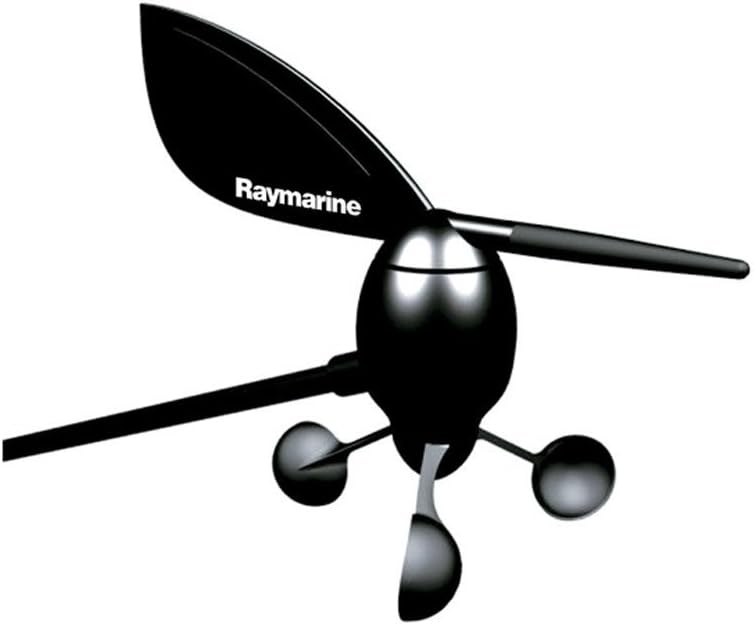
This item is the masthead sensor assembly without the display. It is necessary when the physical vane and cups are damaged on an i60 system.
We may earn a commission when you buy through this link, at no additional cost to you.
It includes the wind arm vane and cups which are exposed to the elements and may wear out over time. The latest version ensures improved performance and compatibility.
You must already have a compatible display unit to use this sensor. It does not include the cable or screen so check your existing setup.
Purchase this to restore wind data on an existing Raymarine network. It is a targeted replacement for worn physical sensors.
Designed to match existing mounts so installation is straightforward for boat owners.
Updated version offers better accuracy and durability than older sensor models.
We may earn a commission when you buy through this link, at no additional cost to you.
The Inspeed Magnetic Mount Anemometer stands out for its tool-free installation on metal surfaces. This is highly useful for sailors who need temporary wind monitoring without drilling holes.
We may earn a commission when you buy through this link, at no additional cost to you.
It features a calibrated sensor which ensures accurate readings right out of the box. The compact size allows it to fit easily on railings or poles with magnetic contact.
The magnetic base works best on steel surfaces and may not be suitable for all boat structures. Its price is higher than basic handhelds due to the mounting convenience.
Use this when you need a portable sensor that can be moved around the boat quickly. It bridges the gap between handheld and fixed instruments.
Mount the device instantly on metal surfaces without tools or drilling holes.
The magnetic base holds firmly in wind so the unit stays in place.
We may earn a commission when you buy through this link, at no additional cost to you.
This package includes replacement bowls and vane for ST50 ST60 and ST80 systems. It is a critical part for maintaining accurate wind data on older Raymarine setups.
We may earn a commission when you buy through this link, at no additional cost to you.
It comes with all necessary screws and an Allen key for installation which simplifies the process for the boat owner. The parts are authentic to ensure proper fit and function.
This is not a standalone device but a repair component. It is essential if your existing cups are damaged or missing.
Buy this to fix a broken sensor on your current mast. It restores functionality without needing a full system overhaul.
Includes all screws and tools needed to install the replacement parts easily.
Keeps older Raymarine instruments working reliably for longer without full upgrade.
We may earn a commission when you buy through this link, at no additional cost to you.
Selecting the right wind sensor depends on your boating style budget and whether you need a handheld or installed solution. Consider these factors to narrow down the best fit.
Accuracy is critical for navigation and safety. Look for units with specified tolerances such as +/-2% for wind speed to ensure reliable data. Higher quality sensors often have better resolution and stability in changing conditions.
Prioritize models with clear accuracy specs and user reviews confirming performance in real marine environments.
Marine environments expose equipment to salt spray UV rays and physical impacts. Handheld units should have robust casings while installed systems need marine grade transducers. Check for waterproof ratings and material quality.
Choose durable materials and marine rated parts to extend device life and ensure reliability in harsh conditions.
A clear display is essential for quick data access. Backlit screens with high contrast improve visibility in bright sun and at night. Larger digits help you read values without squinting while underway.
Opt for backlit high contrast displays to ensure you can read wind data clearly in all lighting conditions.
Consider how you will install or carry the unit. Tripod holes magnetic bases or hand straps add flexibility. Permanent systems require masthead transducers while handhelds should be portable.
Pick a mounting method that fits your boat layout and usage patterns for consistent and convenient measurements.
Additional data like wind direction humidity or Beaufort scale can provide context beyond speed. Some systems calculate VMG or gusts which are useful for racing. Ensure the device outputs data you actually need.
Select features that match your sailing goals to avoid paying for unnecessary complexity or data.
Battery life and type affect usability. AAA batteries are common but built-in rechargeables are convenient for long trips. Look for auto-off features to preserve power during inactive periods.
Choose a power solution that supports your typical trip duration without frequent interruptions for battery changes.
If you have existing instruments ensure any new device works with them. Raymarine systems often require specific transducers or displays. Check connectors and protocols before buying replacement parts.
Verify compatibility with your current setup to avoid wasted purchases or integration issues.
Handheld meters are far cheaper than full systems. Decide if you need professional accuracy or casual readings. Sometimes a simple handheld works well for recreational sailors.
Balance cost against features to find the best value for your specific boating requirements.
For handheld units hold the device steady away from your body to avoid blocking airflow. Keep the sensor clean from salt residue and dry thoroughly after exposure to water.
Install permanent systems high on the mast with clear airflow. Route cables carefully to prevent chafing and ensure all connections are tight and protected from moisture.
Regularly calibrate and clean sensors to maintain accuracy. Remove debris from cups and vanes and check for corrosion. Replace batteries proactively to avoid data loss during trips.
Apparent wind is what you feel on the boat combining boat speed and real wind. True wind is the actual wind direction and speed unaffected by boat motion. Professional systems calculate true wind using speed data.
Most handheld units come factory calibrated but may drift over time. Professional marine instruments often have calibration routines. Follow the manufacturer instructions to maintain accuracy and reliability.
Check battery indicators regularly and replace when low. For long trips bring spares. Typical use requires battery changes every few months depending on usage frequency.
Yes if the device has a tripod mount or magnetic base. Secure it well to prevent movement or damage. However permanent systems are more reliable for frequent use.
Handhelds usually have splash resistance but not full submersion. Marine systems are built to be waterproof and corrosion resistant. Check specific IP ratings before exposure to saltwater.
A masthead system with integrated display is ideal for serious sailing. For casual use a handheld with knots and direction works well. Choose based on your investment level.
Yes most handhelds work for drones and wind sports. They provide useful wind speed and temperature data. Just ensure the device can withstand the vibration and handling.
We reviewed ten excellent options ranging from budget handhelds to professional systems. The TopTes TS-301 and BTMETER BT-100 offer great value while the Raymarine i60 provides full marine integration.
Focus on durability and data needs when choosing. A simple handheld suffices for occasional use but serious sailors benefit from integrated displays and masthead sensors.
Remember to check current availability and verify compatibility before purchasing. Your choice should match both your budget and the specific demands of your sailing adventures.