
2.4G Wireless Saxophone Microphone System
3.6Editor score
12ms low latency
15-hour battery life
Auto pairing setup
This guide compares the top 10 clip on saxophone microphones for 2026, evaluating wireless range, sound quality, build durability, and ease of use for
Finding the right clip on saxophone microphone is essential for any musician who wants to amplify their sound without compromising playability. These devices attach directly to your instrument, capturing natural tones while freeing you from cumbersome stands. Whether you are performing live, teaching students, or recording at home, a quality mic ensures your saxophone shines.
We have carefully selected ten top-rated models based on wireless performance, audio fidelity, and user feedback. Our comparison includes both wireless systems and wired options, covering various price points and feature sets. Each product was evaluated for signal stability, battery life, clip design, and compatibility with different brass and wind instruments.
Every pick in this list highlights specific strengths, such as low latency transmission or durable build quality, to help you choose the right tool. Remember that availability and pricing can change frequently, so verify details on the product pages before purchasing. This guide serves as a reliable starting point for your search for the perfect saxophone microphone system.
3.6Editor score

4.3Editor score
4.6Editor score
The following table provides a side-by-side look at all ten products, highlighting their key specifications and unique attributes to help you make an informed decision quickly.




The SGPRO TR15 stands out as a top wireless solution for saxophone players seeking freedom on stage. It features a robust UHF system with a range of up to 196 feet, allowing ample movement without signal dropouts. The clip design uses virgin rubber padding to protect your instrument, ensuring a secure fit without scratches or marks.
We may earn a commission when you buy through this link, at no additional cost to you.
Its control panel includes an LCD screen that displays crucial information such as volume, signal strength, and battery life. This makes setup and adjustment intuitive even during live performances. The gooseneck is made of bronze material, providing stability without annoying rebound when you adjust the microphone angle for optimal sound capture.
While the battery life of 4.5 hours is decent for most gigs, it may require mid-show charging for marathon sessions. The package includes a USB Type-C cable but no wall adapter, which is a minor inconvenience if you need immediate power. However, the ability to charge both transmitter and receiver simultaneously saves time.
This system is ideal for performers who need reliable wireless performance across various brass instruments. Its balance of range, ease of use, and instrument protection makes it a strong contender for the top spot. If you value mobility and clear signal transmission, this model is a recommended choice for your setup.
The virgin rubber padding ensures the mic stays firm without scratching the saxophone finish, preserving your gear's value.
Digital chip circuit design enhances stability, ensuring your sound reaches the audience without interference or dropout.
We may earn a commission when you buy through this link, at no additional cost to you.
This 2.4G system offers an attractive entry point for students and teachers needing a reliable clip on mic. Its standout feature is the 15-hour battery life, which covers multiple lessons or practice sessions without interruption. The low latency of 12ms ensures real-time sound reproduction, crucial for teaching rhythm and timing effectively.
We may earn a commission when you buy through this link, at no additional cost to you.
Setup is incredibly simple with automatic pairing, removing the technical barrier for beginners. The reinforced gooseneck allows full 360-degree adjustment, letting you position the mic for the best sound pickup on any instrument. This flexibility is rare at this price point and adds significant value for classroom or home use.
While the rating is lower than premium options, it reflects specific limitations like a shorter wireless range compared to UHF models. The connection remains stable within typical room dimensions, but outdoor use might be limited. However, for the cost, the battery performance and ease of use make it a compelling budget choice.
If you are a music teacher or a student looking for a cost-effective amplification solution, this system delivers on key needs. It prioritizes duration and simplicity over long-range capabilities. For small gigs or daily practice, it provides enough performance to get the job done without breaking the bank.
With 15 hours of continuous use, you can teach an entire day or rehearse for hours without needing to recharge.
Plug and play functionality means no apps or drivers are required, allowing you to start playing immediately.
We may earn a commission when you buy through this link, at no additional cost to you.
The Audio-Technica PRO 35 is a classic choice for musicians prioritizing sound quality over wireless convenience. It features a cardioid polar pattern that reduces noise from the sides and rear, ensuring clean sound isolation. The UniMount clip provides accurate positioning and shock resistance, protecting the internal element from impact damage.
We may earn a commission when you buy through this link, at no additional cost to you.
Its extended frequency response captures subtle nuances in performance, making it ideal for recording or critical listening. The 6-foot cable is permanently attached, which simplifies setup and reduces points of failure. While it limits mobility, this stability is often preferred in studio settings or fixed stage positions.
Because it lacks a battery, you never have to worry about power during a set. However, the cable can be a constraint for dynamic performers. Users appreciate its durability and consistent performance, which are reflected in its high rating. It remains a trusted name for professionals who need reliable sound capture.
If you do not need wireless freedom, this model offers superior audio fidelity and build quality. It is perfect for seated performances or studio work where cable management is manageable. For those seeking a straightforward, high-quality microphone, the PRO 35 delivers professional results consistently.
The cardioid pattern minimizes ambient noise, allowing your instrument to stand out clearly in the mix.
The shock-resistant design ensures longevity even with rough handling during tours or frequent setups.
We may earn a commission when you buy through this link, at no additional cost to you.
This HHLPRO system offers exceptional range and channel flexibility for larger performances or bands. It supports up to 32 simultaneous transmitters, making it ideal for orchestras or community groups. The detachable design separates the mic and transmitter, reducing burden on the instrument and improving player posture during long sessions.
We may earn a commission when you buy through this link, at no additional cost to you.
With a range of 260 feet and latency under 5ms, the audio feels instant and clear. The built-in channels and scanning function simplify setup in crowded wireless environments. The included Shure-compatible XLR adapter ensures compatibility with most professional audio equipment, adding to its versatility.
The dual volume controls allow for flexible sound adjustment between transmitter and receiver, giving users precise control. While the price is higher, the technical specs justify the cost for serious performers. The vibration-dampening design helps eliminate instrument noise, focusing purely on the desired tone for amplification.
For large ensembles or outdoor gigs, this system provides the connectivity and range needed. Its ability to handle multiple units without interference is a key advantage. If you are leading a band or need a professional-grade solution, this model offers the necessary tools for a polished performance.
Supporting 32 sets simultaneously means you can scale up for large groups without frequency conflicts.
Separating the transmitter from the mic keeps your instrument light and prevents strain during playing.
We may earn a commission when you buy through this link, at no additional cost to you.
This UHF system is designed for musicians who value simplicity and ease of use above all else. The plug-and-play setup requires no drivers or complex pairing, allowing you to start playing almost immediately. Its 164ft range is sufficient for most stage environments, giving you room to move without constant cable management.
We may earn a commission when you buy through this link, at no additional cost to you.
The lightweight gooseneck securely clips to the bell of your instrument, ensuring optimal pickup without affecting playability. Users praise the compact transmitter for being discreet, which helps maintain a clean look during performances. The high rating indicates that it consistently meets user expectations for reliability and sound quality.
While it may lack advanced features like channel scanning, its straightforward operation is a benefit for beginners. The connection is stable and interference-free for typical usage scenarios. It is an excellent choice for church services, small gigs, or rehearsals where setup time needs to be minimal.
If you need a dependable system that works out of the box, this model delivers. It balances performance and simplicity effectively. For those who do not want to troubleshoot settings during a show, this offers a hassle-free solution that focuses on the music.
No complicated software or drivers means you can power on and start performing instantly.
The adjustable gooseneck ensures the mic stays in place even with vigorous movement on stage.
We may earn a commission when you buy through this link, at no additional cost to you.
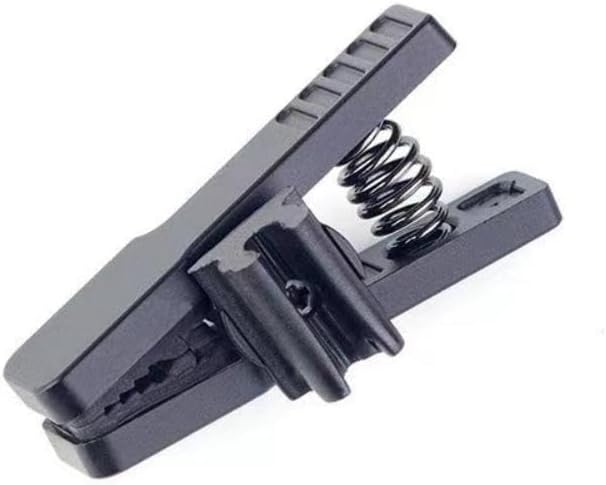
This clip is a useful accessory for those who already have a microphone but need a secure attachment point. It is designed specifically for saxophones, offering a simple yet effective way to mount equipment. The metal construction provides durability, ensuring it withstands regular use in rehearsals or performances.
We may earn a commission when you buy through this link, at no additional cost to you.
Unlike complete wireless systems, this item does not include electronics or sound capture components. Instead, it acts as a reliable mount that keeps your existing mic stable. This is ideal if you have a standalone condenser mic and want to avoid using bulky stands during seated sessions.
The rating suggests it performs well as intended, providing a firm hold without slipping. It is a cost-effective way to enhance your current setup without buying a new system. For DIY musicians or those upgrading specific components, this accessory offers practical value for the price.
If you need a reliable way to attach a mic to your instrument, this clip is a solid choice. It complements your existing gear and simplifies setup. While it is not a standalone solution, it serves a specific purpose for those looking to customize their microphone mounting.
Provides a secure point to attach your existing microphone without needing a full system.
Made of metal to ensure it lasts through frequent adjustments and transport.
We may earn a commission when you buy through this link, at no additional cost to you.
This system is notable for its versatility, working with horns, saxophones, and even cellos. The rotatable silicone clip ensures a firm grip without damaging various instrument surfaces. It includes both 1/8-inch and 1/4-inch plugs, making it adaptable to different audio equipment without extra adapters.
We may earn a commission when you buy through this link, at no additional cost to you.
The UHF technology provides a stable connection with a 131-foot range, suitable for small to medium stages. Setup involves a simple pairing process, though it may require a few steps if connection issues arise. The 4-hour battery life is adequate for standard sessions but may not cover full-day events.
A two-year warranty adds peace of mind for buyers, reflecting manufacturer confidence in durability. The lightweight design means it is easy to carry and use across different performance contexts. However, users should be aware of its range limits compared to higher-end UHF models.
If you play multiple instruments or need a flexible solution for different settings, this mic is a good fit. Its compatibility with various devices and instruments makes it a practical tool for versatile performers. For general use, it offers a balance of features that work well for most needs.
Designed to work with a wide range of instruments from brass to strings.
Includes a two-year warranty for trouble-free support if any defects occur.
We may earn a commission when you buy through this link, at no additional cost to you.
The YXG system stands out for offering preset EQ and echo levels directly on the device. This allows for quick sound shaping without external processors, which is handy for live environments. With 8 hours of battery stamina, it covers most performances comfortably without mid-show charging interruptions.
We may earn a commission when you buy through this link, at no additional cost to you.
The transmitter and receiver are compact, making them easy to carry and store. The gooseneck is designed to be steady with minimal rebound, ensuring consistent positioning. However, the 100-foot range is shorter than some competitors, which may limit movement on larger stages.
Controls are clearly labeled with an LCD screen, simplifying adjustments for users. The clip includes virgin rubber padding to protect your gear, a thoughtful detail for instrument care. While it lacks a wall adapter, the USB-C charging is convenient if you have mobile chargers handy.
If you want some sound control features without extra gear, this system is a strong option. It balances battery life with useful audio adjustments. For small to medium gigs where range is not critical, it offers a user-friendly experience with solid performance.
Preset echo and EQ help tailor your tone quickly without needing external processors.
The padding on the clip ensures your saxophone remains scratch-free during use.
We may earn a commission when you buy through this link, at no additional cost to you.
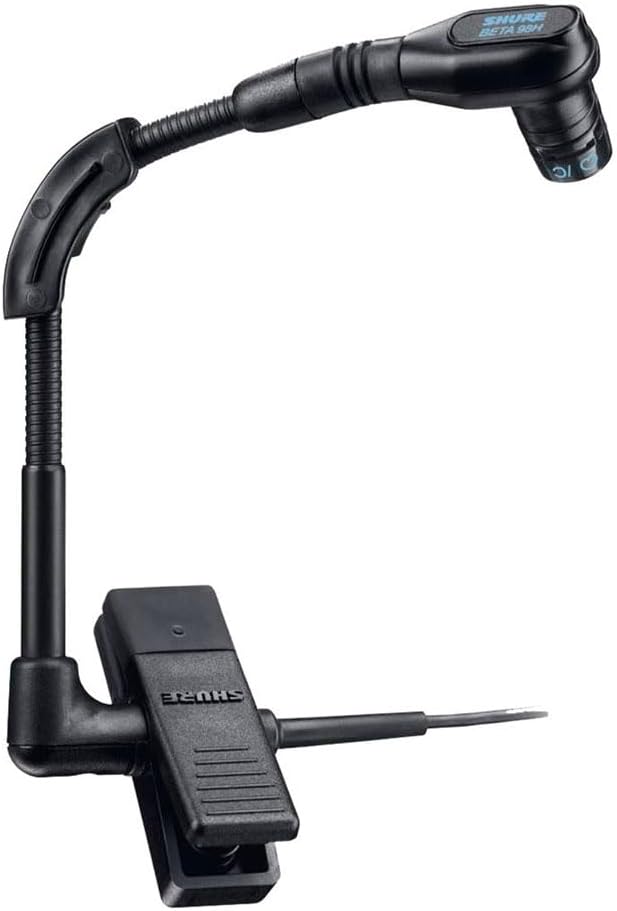
The Shure BETA 98H/C is a professional-grade microphone trusted in recording and live environments. Its cardioid condenser design offers high gain-before-feedback, ensuring clear amplification even at high volumes. The ratcheting swivel joint allows for optimum placement and fixed positioning, which is critical for consistent sound.
We may earn a commission when you buy through this link, at no additional cost to you.
Engineered to handle extreme demands of brass and percussion instruments, it features a high maximum sound pressure level. The 10-foot flex cable includes an attached preamplifier, simplifying integration with mixing consoles. Its frequency response is tailored for natural sound reproduction, preserving the instrument's character.
While it is a premium investment, the legendary Shure ruggedness and reliability justify the cost for pros. The compact construction is low visibility, keeping your setup looking clean. Wired use eliminates battery worries, making it ideal for fixed stage positions where cable management is feasible.
If you need a microphone that delivers top-tier quality and reliability, this is the benchmark. It is best for professional sessions where sound fidelity is the highest priority. For musicians who value performance over mobility, this model is a worthy investment.
Known for ruggedness, this mic withstands the demands of touring and daily professional use.
Tailored frequency response ensures your instrument sounds true to form without artificial coloration.
We may earn a commission when you buy through this link, at no additional cost to you.
This UHF system boasts 200 adjustable channels, providing robust flexibility in crowded wireless environments. The 196-foot range ensures you can move freely across stages or outdoor venues without losing connection. The LED digital screen makes it easy to monitor frequency, battery, and volume at a glance.
We may earn a commission when you buy through this link, at no additional cost to you.
The anti-slip clip with virgin rubber padding secures the mic firmly while protecting your instrument. It includes a portable storage case, which adds value for travelers or gigging musicians. The 6-hour battery life covers most standard sets, with a 2 to 3-hour charge time to get you ready quickly.
With sample rates of 24-bit and audio frequency response up to 20 kHz, it captures high-fidelity sound. The infrared automatic pairing simplifies setup, though the process may require patience. Overall, the technical specs suggest a reliable tool for those needing precise control over their audio signal.
If you need a system with many channels to avoid interference, this is a strong contender. It balances range and control features well. For performances in busy RF environments, the ability to select from 200 channels gives you an edge in maintaining a stable connection.
200 adjustable channels ensure you can find a clear signal even in crowded wireless zones.
24-bit sample rate ensures detailed audio reproduction for professional quality results.
We may earn a commission when you buy through this link, at no additional cost to you.
Selecting the right microphone requires weighing several technical and practical factors to ensure it meets your performance needs.
Wireless systems offer freedom of movement and are ideal for live performances where mobility matters. Wired options provide consistent power and stability but limit your movement to the length of the cable. Decide based on whether you need to walk around or if you remain stationary.
Look for UHF or 2.4G technology that offers a range suitable for your venue size. A range of 100 to 200 feet is typically sufficient for small to medium stages. Ensure the system supports enough channels to avoid interference if you are performing with other wireless mics.
Check how long the transmitter and receiver last on a single charge to avoid interruptions. Systems offering 8 to 15 hours are excellent for long sessions or tours. Verify if the package includes charging cables or adapters to ensure you can power up easily.
The clip must be secure yet gentle to avoid damaging the instrument's finish. Look for features like rubber padding and shock resistance to protect your saxophone. A gooseneck design allows precise angle adjustment for optimal sound pickup without vibration.
Low latency ensures the sound you hear matches what is being produced in real time. Aim for models with latency under 20ms to prevent timing issues during play. High frequency response ranges capture subtle nuances and maintain the natural tone of your instrument.
Ensure the receiver has the right connectors for your audio system like XLR or 1/4-inch. Some systems offer multiple adapter options to fit various amplifiers or interfaces. This flexibility prevents the need for extra converters during setup.
A durable build ensures the mic withstands travel and regular use without failing. Metal components often last longer than plastic ones. Check for warranty details to understand the manufacturer's confidence in their product's longevity.
Simple pairing processes save time when you are preparing to perform quickly. LCD screens or digital displays help monitor settings like volume and battery life easily. Avoid systems that require complex apps or drivers unless you are comfortable with technical setup.
Begin by attaching the clip securely to the instrument's bell, ensuring it sits firmly without excessive force. Adjust the gooseneck so the microphone element is close to the sound source but not obstructing your view or playing technique. Check the battery level before each performance to avoid unexpected shutdowns during play.
When using wireless systems, power on the receiver first, then the transmitter, and wait for the auto-pairing to complete. Ensure there are no strong sources of interference nearby to maintain a stable signal. Adjust volume and EQ settings from the control panel to fit the specific acoustics of the room.
After use, disconnect the mic carefully and store it in a protective case to prevent damage. Clean the clip regularly to remove dust and debris that could scratch the instrument. Keep the battery charged even during periods of inactivity to extend its lifespan and ensure readiness for the next use.
Many of the listed systems are designed for a variety of brass and woodwind instruments. Models with adjustable clips and universal mounts can work with trumpets, trombones, and clarinets effectively. Always verify compatibility details in the product description to ensure a secure fit.
UHF typically offers better range and penetration through obstacles, making it suitable for larger venues. 2.4G is often easier to use and works well in smaller indoor spaces. Both provide stable transmission, but UHF is generally preferred for professional outdoor applications.
Most systems output a signal that can be connected directly to an amplifier or mixer. If your device has an input jack, you can plug the receiver in to amplify sound. For recording, a sound interface or audio mixer may be necessary for optimal routing and quality.
Weak signal is often caused by distance, obstacles, or interference from other electronic devices. Move the receiver closer to the transmitter or adjust its position for a clearer line of sight. If available, switch to a different channel to avoid crowded frequencies.
Yes, provided you use a mic with soft padding to prevent scratches on the finish. Look for clips designed specifically to protect delicate instrument surfaces. Always test the fit gently before a performance to ensure it does not slip or cause damage.
Ensure the battery is fully charged using the correct adapter and cable. Using volume at maximum levels can drain power faster, so adjust volume to a reasonable setting. If the battery degrades over time, consider purchasing a replacement battery from the manufacturer.
We have explored ten diverse options that range from wireless freedom to professional wired fidelity. Each model offers unique strengths catering to different performance needs and budgets. Whether you need long-range connectivity or simple classroom solutions, there is a choice here to support your musical goals.
Prioritize factors like range, battery life, and build quality when making your final decision. Consider how often you perform and what gear you already own to find the right fit. Investing in a reliable system ensures that your sound is amplified clearly without distracting technical issues.
Keep in mind that product availability and pricing can vary over time. Always check the latest details on the product pages before purchasing to ensure you get the best value. We hope this guide helps you find a microphone that enhances your performance effectively.