
Canon EF 75-300mm f/4-5.6 III Telephoto Zoom Lens
4.7Editor score
Affordable entry-level option
Lightweight portable design
Compatible with Canon SLR
This guide compares the best Camera Lens for Long Distance Wildlife to help you capture sharp, detailed images of distant animals and nature scenes effectively.
Capturing wildlife from a distance requires a specialized camera lens that offers significant reach without compromising image quality. A good telephoto lens allows photographers to observe animals in their natural habitat without disturbing them, ensuring both safety and authenticity in every shot.
We have evaluated ten top-rated telephoto lenses based on optical performance, autofocus speed, stabilization features, and overall value. Our analysis considers real-world usage scenarios for birding, safari photography, and nature documentation to ensure each recommendation meets specific field requirements.
Each pick highlights key strengths, trade-offs, and ideal use cases for different camera systems and budgets. Please note that product availability and pricing fluctuate frequently, so always verify current details before making a purchase decision to secure the best deal available today.
4.7Editor score
4.7Editor score

4.2Editor score
The following table provides a side-by-side comparison of all ten selected lenses, detailing their focal ranges, stabilization features, compatibility, and key specifications to help you quickly identify the best option for your specific photography needs.



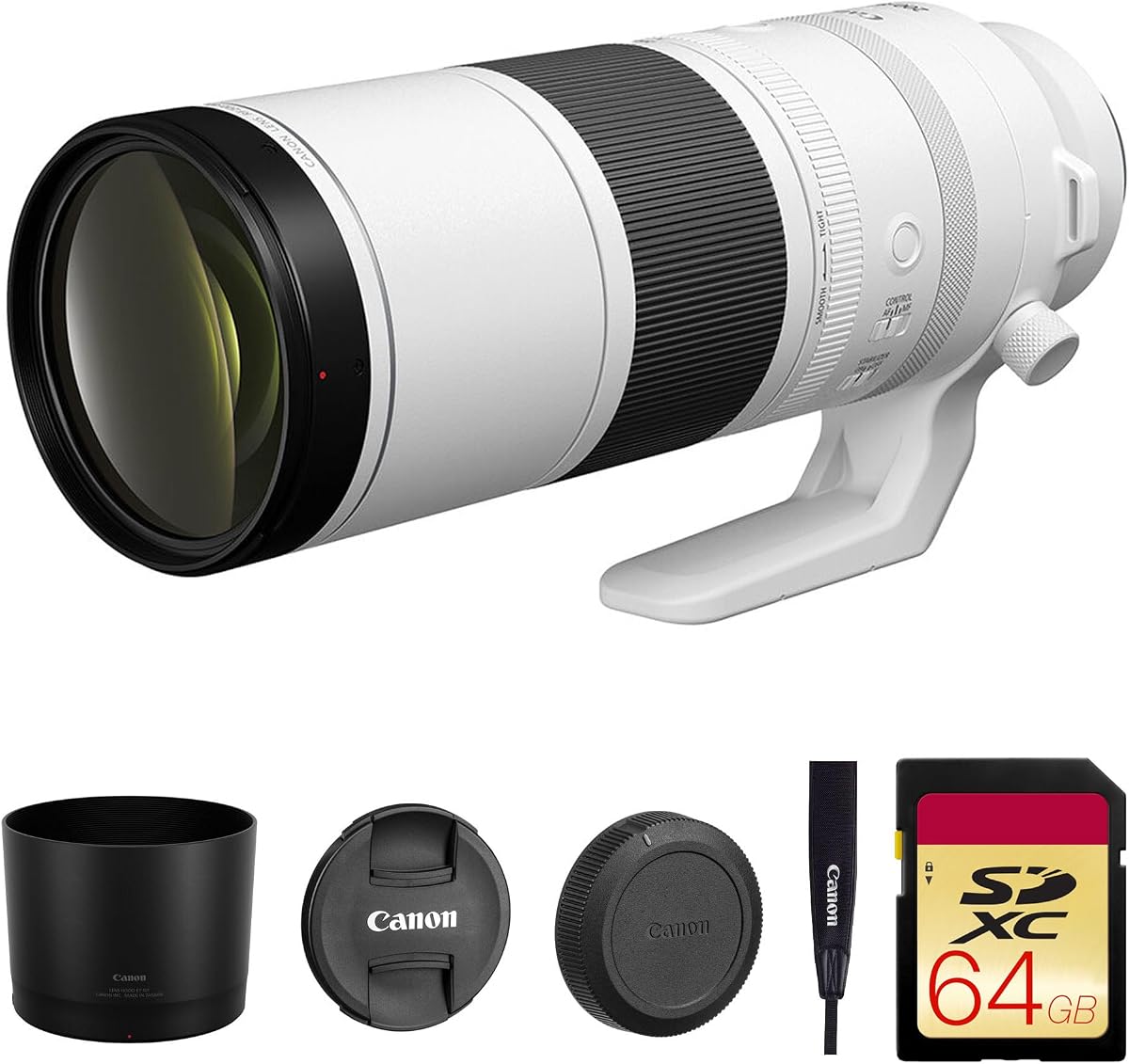
The Canon RF 200-800mm lens stands out as the top choice for wildlife photographers seeking extreme reach with manageable weight. With a rating of 4.7, it delivers sharp images across its entire zoom range, making it ideal for birding and distant animal photography.
We may earn a commission when you buy through this link, at no additional cost to you.
Its built-in image stabilization allows for handheld shooting even at 800mm, reducing blur caused by camera shake. The advanced USM autofocus system ensures quick and quiet focus acquisition, which is crucial when tracking fast-moving subjects in natural habitats.
While the price is higher than many alternatives, the optical quality and versatility justify the investment for serious enthusiasts. The lens is surprisingly compact for its reach, allowing for comfortable handheld use during long field sessions without excessive fatigue.
This lens is best suited for Canon RF mount users who prioritize image quality and reach. If you need the best combination of performance and portability for wildlife photography, this bundle offers exceptional value with included accessories.
The 200mm to 800mm range provides unmatched flexibility for framing subjects from a safe distance without disturbing them.
Built-in image stabilization supports steady shots at full zoom, enabling clearer images even in lower light conditions.
We may earn a commission when you buy through this link, at no additional cost to you.
This lens is a groundbreaking option for mirrorless photographers needing extreme telephoto reach. Its 4.6 rating reflects consistent performance and sharpness that professionals rely on for wildlife and nature documentation.
We may earn a commission when you buy through this link, at no additional cost to you.
The lens design takes full advantage of the RF mount to maintain high optical quality throughout the zoom range. It is compatible with extenders, allowing users to push focal lengths even further when needed for very distant subjects.
Despite its powerful capabilities, the lens remains lightweight and compact compared to traditional super-telephoto primes. This makes it easier to carry on hikes and use for extended periods without strain.
Ideal for Canon mirrorless users who demand top-tier performance, this lens is a versatile tool for both wildlife and sports photography. Its unique features set it apart as a leader in the super-telephoto zoom category.
Compatibility with extenders lets you expand focal lengths beyond 800mm for even closer views of distant animals.
Designed specifically for RF mount, the lens delivers superior image quality and compact size for mirrorless systems.
We may earn a commission when you buy through this link, at no additional cost to you.
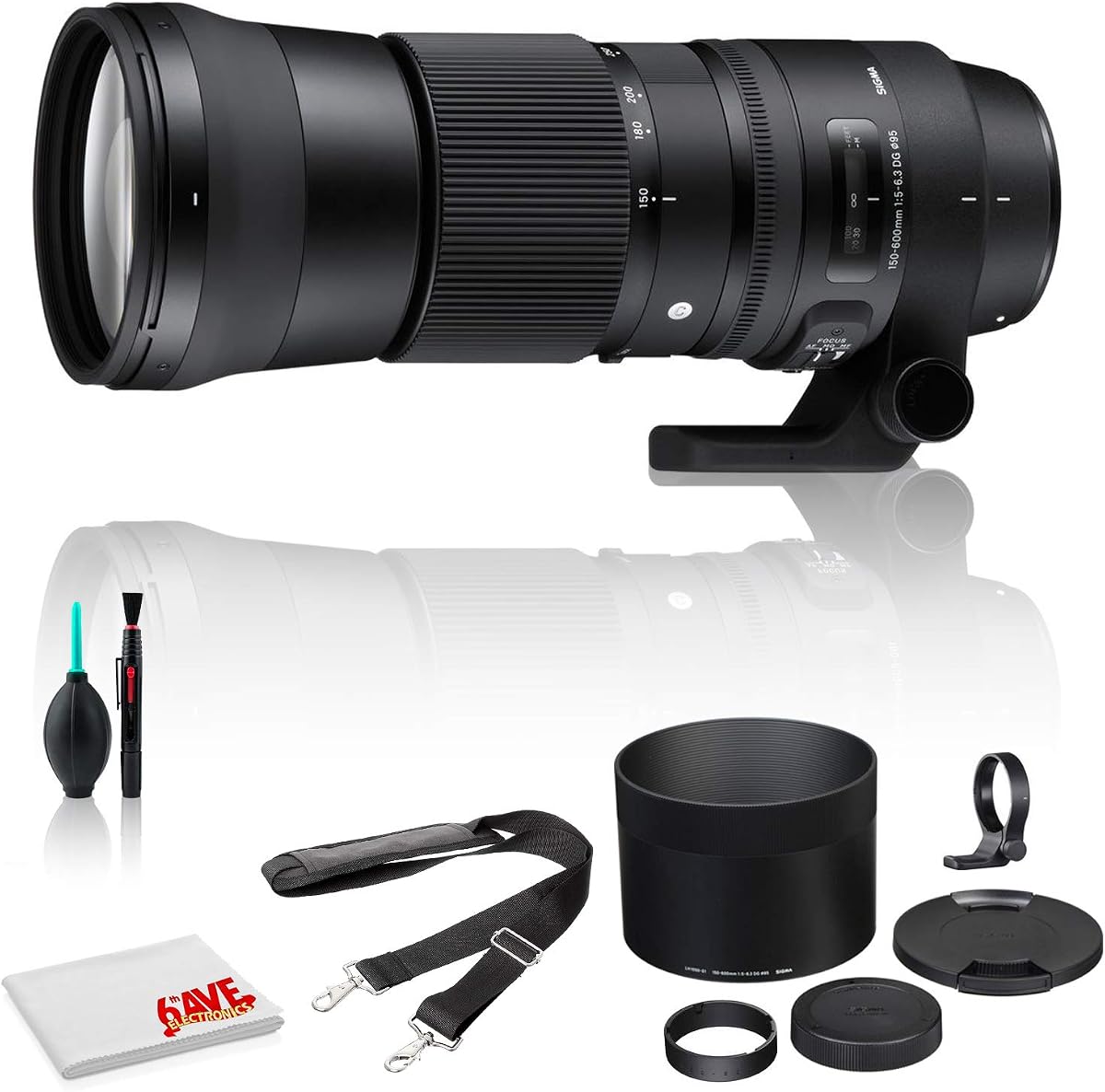
The Sigma 150-600mm Contemporary offers a practical solution for DSLR users seeking extensive reach without breaking the bank. Rated at 4.5, it provides reliable performance for wildlife photography with a bundle that includes essential cleaning tools.
We may earn a commission when you buy through this link, at no additional cost to you.
Its optical stabilizer helps mitigate camera shake, ensuring sharper images even when shooting handheld. The Hyper Sonic Motor autofocus system delivers reasonably quick focus, which is suitable for most wildlife scenarios where subjects are not overly erratic.
While heavier than some newer RF lenses, this option remains manageable for most photographers and offers significant versatility. The included cleaning kit adds value by keeping the lens in optimal condition during outdoor use.
This lens is a strong contender for Canon EF mount users looking for a balance between performance and cost. It is especially recommended for those who already own a DSLR and want to expand their telephoto capabilities.
Includes a deluxe cleaning kit to maintain lens performance and protect optics during field adventures.
Optical stabilizer reduces shake for clearer handheld shots, crucial for long focal length photography.
We may earn a commission when you buy through this link, at no additional cost to you.
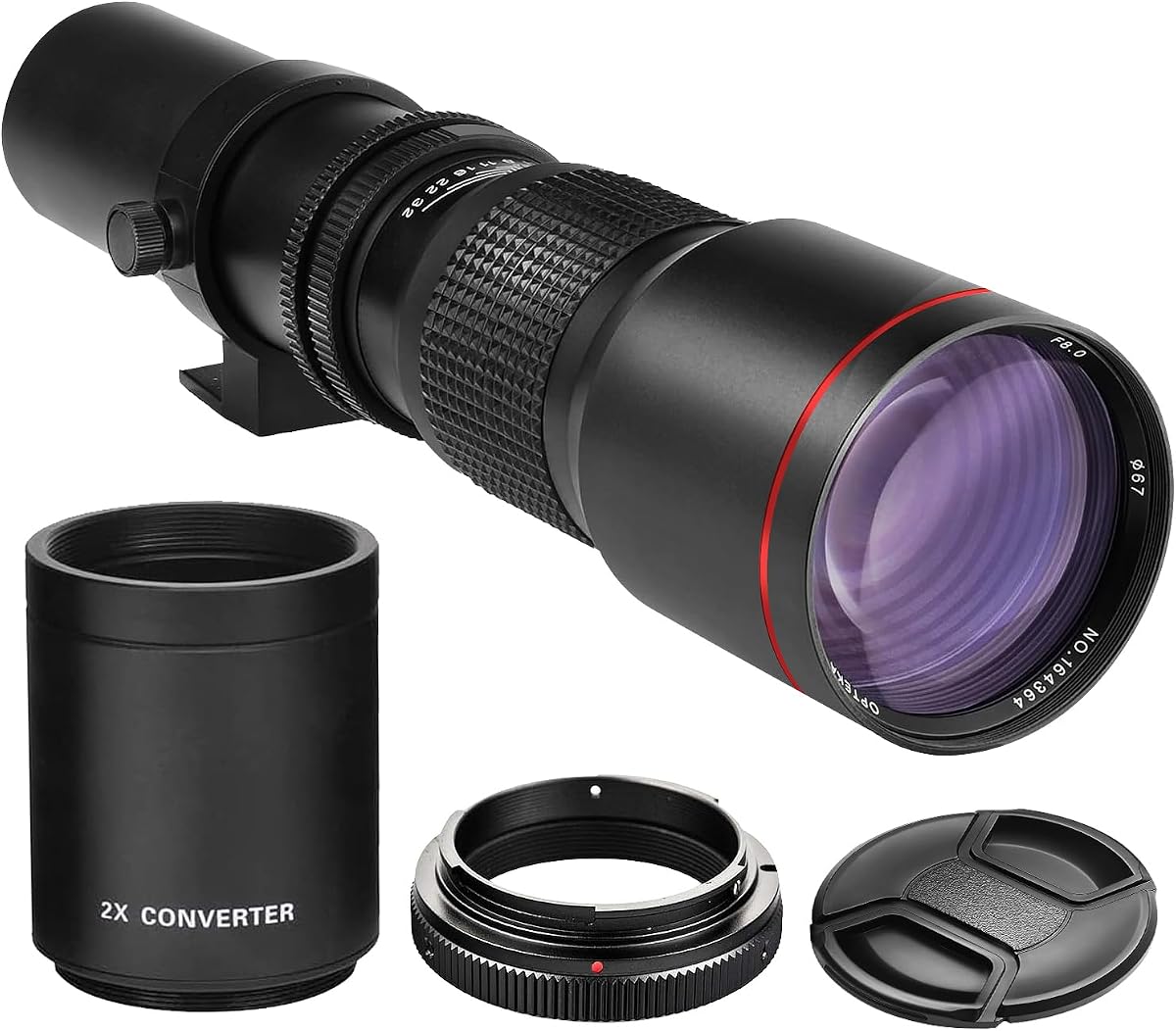
For photographers on a tight budget, this manual lens offers incredible reach for a fraction of the cost of motorized options. Rated at 4.0, it provides basic functionality for capturing distant subjects when speed is less critical.
We may earn a commission when you buy through this link, at no additional cost to you.
The 2X teleconverter doubles the effective focal length to 1000mm, allowing for close-ups of faraway wildlife. Manual focus gives full creative control, though it requires practice and steady hands to achieve sharp results.
The lens is lightweight and portable, making it easy to carry on hikes where weight matters. However, the lack of autofocus and stabilization means shutter speeds must be adjusted carefully to avoid motion blur.
This lens is ideal for beginners or hobbyists who want to experiment with long-distance photography without a large investment. It serves well as a secondary lens or for static subjects where precise focus can be achieved manually.
The included teleconverter extends reach to 1000mm, offering exceptional magnification for distant subjects.
Manual focus allows complete control over framing and focus points, ideal for patient photographers.
We may earn a commission when you buy through this link, at no additional cost to you.
This L-series lens is a trusted workhorse for professional DSLR photographers needing reliable performance in challenging conditions. Its 4.0 rating reflects robust construction and sharp images suitable for demanding wildlife shoots.
We may earn a commission when you buy through this link, at no additional cost to you.
The advanced optical construction minimizes aberrations, ensuring high-quality images across the zoom range. Optical image stabilization improves handheld shooting, while the ring-type USM provides fast and quiet autofocus for tracking moving subjects.
Included accessories like a filter kit and lens cap keeper add practical value for field use. The rotating tripod collar offers balanced support, making it easier to manage the lens during extended shoots on a tripod.
Ideal for Canon EF mount professionals who need durability and optical excellence, this lens is versatile for wildlife and sports. It is a premium choice for those willing to invest in long-term reliability and image quality.
L-series construction ensures superior color accuracy and sharpness for professional-grade wildlife photography.
Removable rotating tripod collar provides stability during long sessions, reducing strain on camera mounts.
We may earn a commission when you buy through this link, at no additional cost to you.
For those needing extreme reach without high costs, this lens offers an astounding 1600mm focal length using its teleconverter. With a 4.0 rating, it provides basic functionality for distant wildlife photography where autofocus is not critical.
We may earn a commission when you buy through this link, at no additional cost to you.
The zoom capability allows flexibility between 420mm and 1600mm, enabling varied framing options from a single lens. Its construction ensures durability, though manual focus requires patience and practice to capture clear and detailed images.
This lens is designed for EF-mount DSLRs and is compatible with many Canon models, ensuring broad usability. While not suitable for fast-moving subjects due to lack of autofocus, it excels for static wildlife and landscapes.
Best suited for hobbyists seeking maximum magnification on a budget, this lens is a practical tool for exploring long-distance photography. It is an excellent entry point for those curious about super-telephoto capabilities.
Up to 1600mm reach brings distant animals and landscapes closer, capturing details otherwise unreachable.
Manual zoom control allows smooth adjustment between focal lengths to frame diverse wildlife scenes effectively.
We may earn a commission when you buy through this link, at no additional cost to you.
This compact RF lens is perfect for mirrorless users prioritizing portability and ease of use in the field. Rated at 4.6, it delivers high-quality images and smooth operation for wildlife photography where mobility is key.
We may earn a commission when you buy through this link, at no additional cost to you.
With up to 5.5 stops of shake correction, the lens ensures steady handheld shots even in less-than-ideal lighting. The Nano USM autofocus provides fast and quiet focusing, ideal for capturing wildlife without disturbing them.
The 100-400mm range offers versatility for various subjects, from birds to larger animals. Its compact design makes it easy to carry on hikes or during long outings, reducing fatigue during active photography.
Ideal for EOS R series users seeking a balance of performance and portability, this lens is a solid choice for everyday wildlife photography. It is especially recommended for those who value lightweight gear without sacrificing quality.
Optical image stabilizer offers up to 5.5 stops of shake correction for clearer handheld images.
Nano USM ensures smooth and quiet focus, preventing disturbance to wildlife during shooting.
We may earn a commission when you buy through this link, at no additional cost to you.
This lens is an excellent entry point for beginners looking to explore telephoto photography without a major investment. With a 4.7 rating, it offers reliable performance and ease of use for casual wildlife and nature photography.
We may earn a commission when you buy through this link, at no additional cost to you.
Its lightweight design makes it easy to handle for extended periods, while the improved zoom mechanism ensures smooth adjustments. The lens is compatible with a wide range of Canon SLR cameras, providing versatility for various users.
While it lacks image stabilization and reaches only 300mm, it is sufficient for closer subjects and well-lit conditions. The affordable price makes it accessible for those just starting their photography journey.
Best suited for beginners and hobbyists, this lens is a practical tool for learning telephoto techniques. It is an ideal first telephoto lens for Canon SLR users who want to experiment with zooming capabilities.
Simple operation and lightweight build make this lens ideal for those new to telephoto photography.
Improved zoom mechanism allows for smooth adjustments, ensuring ease of use during shoots.
We may earn a commission when you buy through this link, at no additional cost to you.
This Nikon bundle is designed for DSLR photographers needing powerful reach for wildlife and sports. Rated at 4.2, it delivers solid performance with a comprehensive kit that includes essential accessories for field use.
We may earn a commission when you buy through this link, at no additional cost to you.
Vibration Reduction ensures sharp images even when handheld, while the Silent Wave Motor provides fast and accurate autofocus. The lens's build quality supports rigorous outdoor use, and the tripod collar offers stable mounting.
We included kit like a filter kit and cleaning tools add value for maintaining lens performance. The 500mm focal length provides excellent reach for capturing detailed wildlife images from a safe distance.
Ideal for Nikon DSLR users seeking premium telephoto capabilities, this lens is a robust choice for serious photography. It is best suited for those who prioritize reach and image quality over portability.
Includes filter kit, cleaning kit, and more for complete field readiness and lens care.
Rotating tripod collar ensures balanced support, essential for heavy telephoto lenses.
We may earn a commission when you buy through this link, at no additional cost to you.
This renewed lens offers an affordable way to acquire a reliable telephoto option for Canon SLR users. With a 4.7 rating, it provides the same functionality as a new unit but at a reduced cost for budget-conscious photographers.
We may earn a commission when you buy through this link, at no additional cost to you.
The lens features the same 75-300mm range and improved zoom mechanism, ensuring smooth operation. As a renewed product, it undergoes testing to meet quality standards, offering peace of mind for buyers.
It is ideal for those who need basic telephoto capabilities without investing in new gear. The lightweight design and broad compatibility make it a practical choice for casual wildlife and nature photography.
Best for budget shoppers, this renewed lens provides excellent value for Canon SLR owners. It is a practical solution for those seeking to explore telephoto photography without a high price tag.
Renewed status offers significant savings while maintaining the functionality of a brand new lens.
Tested to meet quality standards, ensuring consistent performance comparable to new units.
We may earn a commission when you buy through this link, at no additional cost to you.
Selecting the right telephoto lens for wildlife photography depends on several key factors that affect image quality, usability, and overall value. Understanding these elements helps you make an informed decision tailored to your camera system and budget.
The focal length determines how close you can get to distant subjects. For wildlife, ranges starting at 200mm or higher are recommended to capture detailed images without intruding on animal habitats.
Aim for a lens that covers at least 200mm to 600mm for versatility. Longer ranges like 800mm offer greater reach but may compromise brightness and weight.
Stabilization is essential for handheld shooting at long focal lengths where camera shake can blur images. Look for lenses with built-in optical stabilization to ensure sharp results without a tripod.
Higher stabilization ratings (e.g., 5+ stops) allow for slower shutter speeds in lower light. This is particularly useful during dawn or dusk wildlife activity.
Fast and quiet autofocus systems like USM or Silent Wave Motors are crucial for tracking moving wildlife. A noisy motor may scare animals, reducing your chances of capturing natural behavior.
Prioritize lenses with reliable autofocus that locks on quickly even in varying light conditions. This feature ensures you don't miss fleeting moments in the field.
Ensure the lens matches your camera's mount system, whether DSLR or mirrorless. Mismatched mounts may require adapters that can degrade image quality or autofocus performance.
Modern RF and mirrorless mounts often offer better optimization and compact designs. DSLR lenses remain viable if you use EF or F-mount systems for professional results.
Wildlife photography often involves hiking or long periods of carrying gear. Lightweight lenses reduce fatigue and improve your ability to hold steady handheld shots.
Consider the trade-off between reach and weight. Super-telephoto lenses can be heavy, so balance your need for distance with portability requirements.
Wider maximum apertures allow more light for better performance in dim conditions. However, longer focal lenses often have narrower apertures to control size and cost.
If you frequently shoot in low light, look for lenses with f/5.6 or better apertures. This improves shutter speed options and reduces noise in your images.
Outdoor photography exposes gear to dust, moisture, and temperature changes. Lenses with robust construction and weather sealing withstand these conditions better and last longer.
Invest in models with protective coatings and durable materials. This investment protects your gear during challenging environmental situations.
Telephoto lenses vary widely in price based on optical quality and features. Determine your budget and prioritize features that matter most to your specific photography goals.
Consider renewed or bundle options for better value. These can offer significant savings while maintaining reliable performance for wildlife photography.
Always start by securely attaching the lens to your camera body. Ensure the mount clicks into place and is locked tightly to prevent accidental detachment during movement. Check the lens hood orientation before heading out.
Clean the lens elements regularly using a microfiber cloth and lens cleaning solution. Avoid touching glass surfaces with bare hands to prevent oils from affecting image quality. Store the lens in a dry, padded case when not in use to protect it from dust and impact.
For best results, keep your lens steady using a tripod or monopod when shooting at extreme focal lengths. This reduces shake and allows for sharper images, especially in lower light. Practice panning with the lens to track moving subjects smoothly.
For wildlife, a focal length starting at 200mm is ideal to capture subjects from a safe distance. Ranges extending to 500mm or 800mm offer more reach for distant animals. Your choice depends on your ability to get close to the subject.
Yes, image stabilization is highly recommended, especially for handheld shooting at long focal lengths. It helps reduce blur caused by camera shake and allows for sharper images in various lighting conditions.
Many DSLR lenses can be used on mirrorless cameras with adapters. However, native lenses often offer better autofocus performance and size optimization. Check compatibility before purchasing.
USM (Ultrasonic Motor) offers faster focus suitable for wildlife, while STM (Stepping Motor) is quieter and smoother for video. Wildlife photographers typically prefer USM for quick focus acquisition.
Use a lens hood to shield glass from rain and dust. Store the lens in a protective case when not in use and clean it regularly. Avoid exposing it to extreme temperatures or humidity.
Teleconverters extend focal length but may reduce light and autofocus speed. They are useful for extra reach when needed, but image quality can vary. Use high-quality converters for best results.
The Canon RF 200-800mm, Canon 75-300mm, and Nikon 200-500mm stand out as top choices based on performance and value. Each offers distinct advantages depending on your camera system and budget constraints.
Prioritize focal length, stabilization, and autofocus speed when selecting a lens. These factors directly impact your ability to capture sharp, detailed images of wildlife in their natural environment.
Prices and availability change frequently, so always check current listings before purchasing. Investing in the right gear will enhance your wildlife photography experience and deliver satisfying results.