
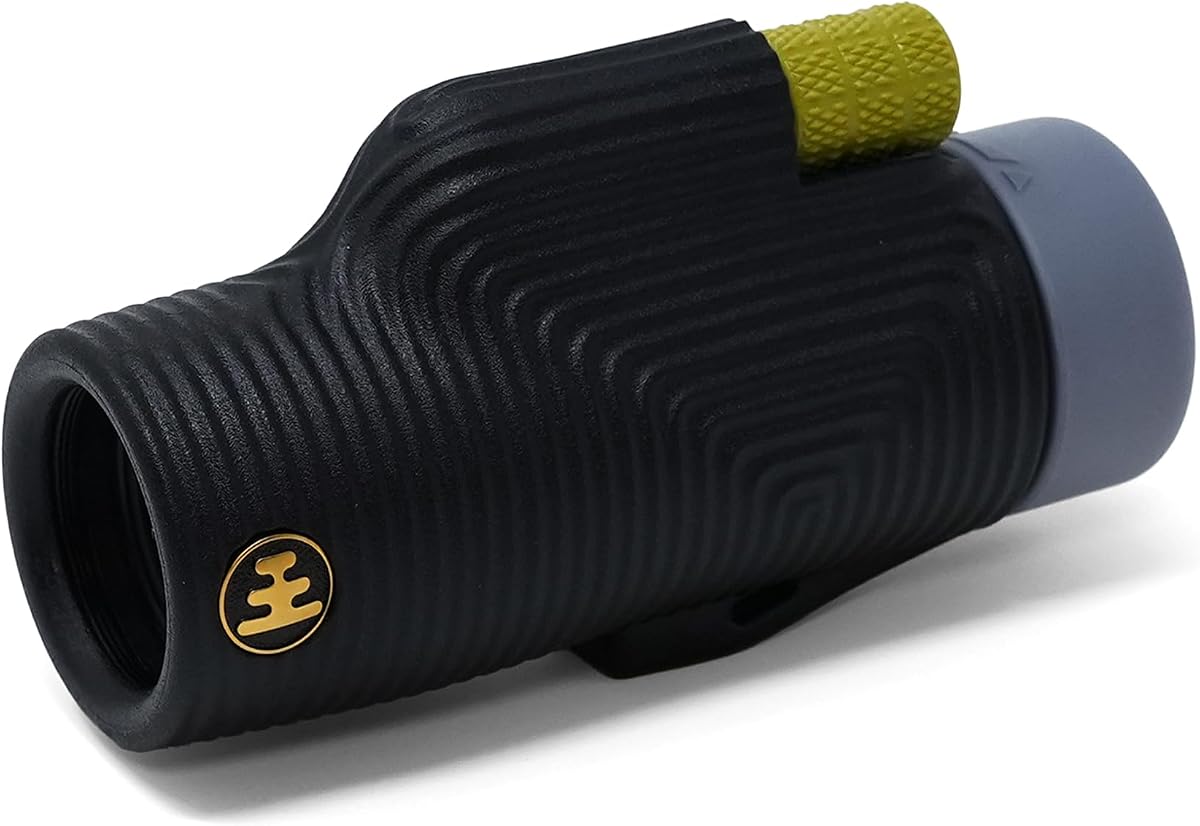
Nocs Provisions Zoom Tube
4.6Editor score
Ultra Portable Design
Swiss Bak4p Prism
Lifetime Warranty
Discover the top birding monocular options for 2026. This guide compares optics, portability, durability, and value to help you choose the perfect tool for
Birding monoculars offer a compact alternative to binoculars for enthusiasts who need versatility and ease of carry. They provide high magnification in a slim profile, making them ideal for hiking or quick spotting without the bulk of traditional optics.
We evaluated ten leading models based on optical clarity, build quality, and user feedback. Our analysis focuses on how each device performs in real-world scenarios, ensuring you find a reliable companion for your next outdoor adventure.
Each selection highlights unique strengths like waterproofing or smartphone compatibility. While prices fluctuate frequently, these picks represent current market leaders. Always check the latest details before purchasing to ensure you get the best deal available.
4.6Editor score
4.6Editor score

4.5Editor score
This side-by-side comparison highlights the key specifications of each model to help you make an informed decision. We focus on critical factors like magnification, lens size, and build quality to show how they stack up against one another.
This monocular stands out for its exceptional optical performance and ease of use. It delivers crisp images that make identifying distant birds a breeze.
We may earn a commission when you buy through this link, at no additional cost to you.
The lens coating ensures bright views even in low light. Its compact size makes it perfect for slipping into a pocket during quick hikes.
While it lacks some premium accessories, the core performance remains strong. The build quality withstands minor bumps and weather exposure.
It is ideal for birders who want a reliable tool without breaking the bank. We recommend this for casual and semi-serious enthusiasts.
The fully coated lenses reduce glare and maximize light transmission for brighter views.
Weighing less than a pound, it fits easily in backpacks and jacket pockets.
We may earn a commission when you buy through this link, at no additional cost to you.
This model offers versatility with its variable zoom lens. Users can switch between wide views and tight shots easily.
We may earn a commission when you buy through this link, at no additional cost to you.
The rubber armor provides a secure hold even with wet hands. The close focus capability allows observing nearby details like feathers.
Some users find it slightly heavier than non-zoom options. However, the flexibility it offers often outweighs the weight trade-off.
It suits birders who need flexibility for different distances. Consider this if you want one device for various scenarios.
Adjusting magnification lets you track birds moving between trees and open skies.
The tripod adapter ensures steady shots when observing static targets like nests.
We may earn a commission when you buy through this link, at no additional cost to you.
This monocular focuses on delivering high definition visuals for crisp details. The lens coating enhances color accuracy significantly.
We may earn a commission when you buy through this link, at no additional cost to you.
Its waterproof construction means you can use it in rain without worry. The ergonomic shape reduces hand fatigue during long sessions.
It is a bit pricier than entry-level options. Yet the image quality justifies the cost for serious nature observers.
Choose this if image fidelity is your top priority. It performs well in diverse lighting conditions.
Advanced coatings reduce chromatic aberration for sharper edges.
The sealed housing protects internal optics from dust and moisture.
We may earn a commission when you buy through this link, at no additional cost to you.
This scope simplifies birding with a fixed magnification setting. It is ready to use instantly without fumbling with dials.
We may earn a commission when you buy through this link, at no additional cost to you.
The aluminum housing provides strength without excessive weight. A lens cap keeps the glass safe when not in use.
It lacks advanced features like waterproofing. However, it is a reliable choice for fair weather outings.
Ideal for beginners who want something straightforward. It gets the job done effectively in dry conditions.
No zoom rings means you can grab it and look immediately.
The included strap prevents drops during active hiking.
We may earn a commission when you buy through this link, at no additional cost to you.
Designed for travelers, this unit fits in the smallest pockets. Its small footprint makes it easy to carry everywhere.
We may earn a commission when you buy through this link, at no additional cost to you.
The multi-coated lens ensures decent brightness. The adjustable eyecup adapts to different users easily.
While durable enough for travel, avoid rough handling. It is best for urban birding or calm nature walks.
This is a great addition to a travel kit. It adds utility without adding bulk to luggage.
Its tiny size ensures it never gets left behind in a bag.
Works well for both birding and general sightseeing.
We may earn a commission when you buy through this link, at no additional cost to you.
This scope offers a wide field of view to track moving birds. It captures more of the surroundings than standard models.
We may earn a commission when you buy through this link, at no additional cost to you.
The shockproof design handles drops and bumps well. A protective case ensures safe transport in your bag.
It is slightly larger than compact options. However, the benefit of seeing more area is significant for flocks.
Pick this if you often observe birds in groups. The wide view helps keep multiple subjects in frame.
A wider angle reduces eye strain by minimizing movement to track targets.
The included case adds a layer of defense against impacts.
We may earn a commission when you buy through this link, at no additional cost to you.
Built for the outdoors, this scope withstands tough environments. Its rugged shell protects against scratches and dents.
We may earn a commission when you buy through this link, at no additional cost to you.
The glass provides clear views even in bright sun. The simple focus mechanism ensures you find sharp images quickly.
It does not offer fancy features. But for pure outdoor reliability, it performs admirably.
Ideal for camping trips where durability matters. Trust it to survive the rough and tumble of nature.
The tough exterior survives accidental drops on rocky terrain.
Optics deliver consistent clarity across various lighting.
We may earn a commission when you buy through this link, at no additional cost to you.
This model features a classic design refined over time. It offers a stable hold that feels natural in the hand.
We may earn a commission when you buy through this link, at no additional cost to you.
The optimized lens provides good image quality. Its tested nature means it works well in open fields.
It lacks modern waterproofing. Yet, it remains a solid choice for dry environments.
Great for traditionalists who prefer simple tools. It delivers consistent results in standard field conditions.
The shape fits the palm comfortably for extended use.
Years of testing ensure it performs predictably every time.
We may earn a commission when you buy through this link, at no additional cost to you.
The Zoom Tube is a top pick for its bright optics and compact size. It uses fully multi-coated lenses for clarity.
We may earn a commission when you buy through this link, at no additional cost to you.
Its IPX4 rating means you can use it in light rain. The smartphone capability allows easy sharing of sightings.
Some might miss a zoom function. However, the 8×32 balance is perfect for general birding.
Choose this for a blend of quality and portability. The lifetime warranty adds peace of mind.
The Swiss-designed prism delivers a bright field of view.
Align your phone with the eyepiece to capture moments instantly.
We may earn a commission when you buy through this link, at no additional cost to you.
Selecting the right monocular involves weighing several key factors to match your specific birding needs. Consider these elements to find a device that offers both performance and convenience.
Magnification determines how close the image appears. A higher number like 10x or 12x brings distant birds closer but can make the image shaky. For hand-held use, 8x or 10x is usually the sweet spot.
Balance magnification with stability to ensure you can hold the view steady.
The second number in a ratio indicates the lens diameter in millimeters. Larger lenses gather more light, which is crucial for early morning or late evening viewing. Smaller lenses make the device lighter and more compact.
Choose larger lenses for low light and smaller ones for portability.
Prisms direct light to your eye and impact image quality. Bak4 prisms are denser and provide brighter images with sharper edges compared to BK7. This difference is noticeable in challenging lighting conditions.
Opt for Bak4 prisms to ensure the best optical clarity.
Lens coatings reduce glare and increase light transmission. Fully multi-coated lenses are superior as they have multiple layers on every air-to-glass surface. Single coatings are cheaper but produce darker images.
Always look for fully multi-coated optics for the best view.
Birding often happens in wet environments. Fogproof models are filled with nitrogen to prevent internal fogging when temperatures change. Waterproofing ensures the device survives rain or accidental drops in water.
Prioritize waterproof and fogproof features for all-weather use.
Since monoculars are held for extended periods, weight matters. Lighter models reduce hand fatigue but might sacrifice some durability. Compact designs fit in pockets but may have smaller lenses.
Select a size that you can carry comfortably for your typical trips.
Close focus is the minimum distance at which the monocular can focus. Some models allow focusing just a few feet away, which is great for butterflies or nearby flowers. Others require a larger distance.
Check the close focus distance if you want to observe small details nearby.
Prices range widely based on build quality and optics. Budget options are good for beginners, while high-end models offer superior durability and image quality. Invest based on how often you plan to use it.
Set a budget but aim for quality that will last years.
Hold the monocular firmly with both hands if possible to reduce shake. Adjust the focus wheel until the bird is sharp. For eyeglass wearers, twist the eyecup down to see the full field of view without obstruction.
Clean the lenses only when necessary using a soft cloth. Avoid touching the glass with fingers to prevent oils. If the lens is dirty, use a brush to remove dust before wiping gently.
Store the device in a dry place when not in use. Remove batteries if it has electronic parts to prevent corrosion. Regular inspection of the focus mechanism ensures it stays smooth over time.
Monoculars are lighter and easier to carry in a pocket. However, binoculars offer binocular vision which helps with depth perception. Choose monoculars if you prioritize portability and casual observation.
8x is generally the ideal magnification for birding. It balances image stability with detail. Higher powers like 10x or 12x can cause shake without a tripod, making it harder to see.
Use a microfiber cloth designed for optics. Start by blowing off dust to avoid scratches. Gently wipe in a circular motion from the center out. Never use household cleaners or paper towels.
Yes, many monoculars have adjustable eyecups. Twist them down to bring your eye closer to the lens. Check the eye relief specification to ensure it suits your glasses distance.
Yes, especially if you bird in humid or rainy areas. Waterproofing prevents fogging and protects against rain. It extends the life of the device in harsh conditions.
With proper care, a quality monocular can last decades. Avoid dropping them and keep them clean. High-end models often come with lifetime warranties for added assurance.
Many modern monoculars support smartphone adapters. You can align your phone camera with the eyepiece to capture images. This feature is great for sharing sightings without carrying a heavy camera.
It depends on the magnification. Lower magnifications like 8x work fine by hand. Higher magnifications benefit from a tripod to steady the view. Look for models with built-in adapters.
We covered ten top options for birding monoculars in 2026. The Nocs Provisions Zoom Tube stands out for its balance of quality and portability.
Prioritize optical clarity and waterproofing to get the most value. A sturdy build ensures your tool lasts through many adventures.
Prices and availability change frequently. Check current listings to confirm details before buying.