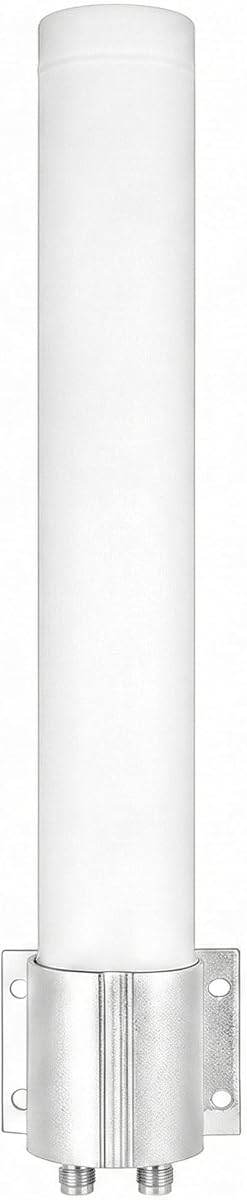
Pro-Gain 2.4G/5.8G MIMO WIFI Antenna
4.9Editor score
8dBi high gain for remote areas
Enterprise-grade MIMO connectivity
All-weather fiberglass construction
This guide compares the top Marine WiFi Antenna options for boats and coastal setups, evaluating performance, durability, and connectivity features for 2026.
Connecting to the internet while on the water is essential for safety and entertainment. A reliable Marine WiFi Antenna ensures your devices stay linked to shore-based networks or nearby hotspots. Choosing the right one depends on gain, weather resistance, and compatibility with your existing router setup.
We evaluated ten top-rated models based on signal strength, build quality, and ease of installation. Each product offers unique features for coastal environments, from dual-band support to rugged enclosures. Our analysis helps you find the antenna that fits your specific boating or RV needs.
Every pick highlights key specs and real-world performance traits to guide your decision. You will see which models excel in range and which offer the best value. Please note that product prices and availability can change frequently, so verify details before purchasing.
4.9Editor score

5.0Editor score

4.2Editor score
The following table provides a side-by-side comparison of all ten Marine WiFi Antenna models. Review the specifications, connectors, and key features to determine which unit aligns best with your connectivity requirements and budget constraints.


The Poynting Omni-496 stands out as the premier choice for boaters seeking reliable connectivity. With a perfect rating and robust construction, it delivers exceptional performance in harsh coastal environments.
We may earn a commission when you buy through this link, at no additional cost to you.
Its dual-band capability supports frequencies from 2.4 GHz up to 7.2 GHz, ensuring compatibility with modern Wi-Fi 7 and 5G networks. The N-Type connector provides a secure connection for high data throughput.
While the price is higher than budget options, the build quality justifies the investment. It is designed specifically for marine applications, offering protection against UV and saltwater corrosion that generic antennas lack.
Ideal for yachts and coastal cruisers, this antenna ensures you stay connected even at distance. It is the top recommendation for those prioritizing durability and future-proof wireless standards.
The IP68 rating ensures the antenna survives submersion and heavy salt spray without degrading.
Supporting Wi-Fi 7 and 5G makes this a long-term solution for evolving network needs.
We may earn a commission when you buy through this link, at no additional cost to you.
This Pro-Gain model is engineered for remote and challenging environments where signal stability is critical. It excels in maintaining speeds in dense foliage or valley settings.
We may earn a commission when you buy through this link, at no additional cost to you.
The 8dBi high gain and MIMO technology ensure consistent data flow even when multiple devices are connected. It minimizes signal reflection loss with a VSWR under 1.8.
Constructed from UV-resistant fiberglass, it withstands extreme temperatures ranging from -40°F to 150°F. This makes it suitable for various outdoor uses beyond just marine settings.
Best suited for enterprise setups or remote cabins, this antenna delivers professional-grade performance. It is ideal for users needing reliable video conferencing and data telemetry in the field.
Low VSWR ensures minimal reflection loss, maximizing the power of your router transmission.
Operates reliably in freezing to scorching heat, making it versatile for any climate.
We may earn a commission when you buy through this link, at no additional cost to you.
The ALFA AOA-2458-59-TF offers excellent value for those needing reliable outdoor signal boost without breaking the bank. It combines practical features with a lightweight design.
We may earn a commission when you buy through this link, at no additional cost to you.
Featuring a 9 dBi gain, it effectively extends range for various devices. The integrated N-Female connector simplifies connection to compatible routers and access points.
While it lacks some premium features like MIMO, its weatherproofing is robust enough for typical outdoor use. The fiberglass construction ensures it holds up against the elements.
Perfect for DIY projects and budget-conscious buyers, this antenna provides solid performance. It is a top choice for enhancing WiFi coverage in RVs or small coastal homes.
The fiberglass body reduces load on mounting points, making it ideal for lighter structures.
Integrated connectors reduce the need for extra adapters, speeding up the installation.
We may earn a commission when you buy through this link, at no additional cost to you.
This variant of the Poynting OMNI-496 is designed for specific frequency ranges often used in coastal connectivity. It maintains the high durability standards of the brand.
We may earn a commission when you buy through this link, at no additional cost to you.
Supporting frequencies from 2.4 GHz up to 6 GHz, it covers a broad spectrum for modern devices. The feed-through mounting style allows for clean deck installations.
With IP68 protection, it withstands harsh marine conditions effectively. However, note that some accessories like brackets may need to be sourced separately.
A reliable choice for specialized coastal setups, this antenna delivers consistent omni-directional coverage. It is best for users requiring specific frequency support for their network infrastructure.
The 1-inch mount allows for a professional installation through deck hatches or poles.
Covers LTE bands alongside standard Wi-Fi, ensuring versatility for mixed network devices.
We may earn a commission when you buy through this link, at no additional cost to you.
This puck antenna combines multiple connectivity options into one low-profile unit. It is designed for through-hole mounting on various marine and RV surfaces.
We may earn a commission when you buy through this link, at no additional cost to you.
It supports 4G, WiFi, and GPS signals, consolidating hardware needs. The waterproof design ensures it withstands exposure to rain and ocean spray effectively.
While the lead length is standard, it may require extension for some setups. It is an efficient solution for those wanting a single point of entry for multiple signals.
Ideal for small boats or RVs with limited space, this antenna offers versatility. It simplifies rigging by reducing the number of separate antennas required on your vessel.
Combines GPS and cellular alongside WiFi to streamline deck hardware and cable runs.
The low puck design minimizes wind resistance and improves vessel aesthetics.
We may earn a commission when you buy through this link, at no additional cost to you.
This M19B model is built for enterprise and public safety applications. It offers a rugged housing suitable for demanding mobile environments.
We may earn a commission when you buy through this link, at no additional cost to you.
Featuring MIMO capability, it enhances data throughput for cellular and potentially hybrid setups. The heavy-duty ABS construction ensures durability in vibration-heavy scenarios.
While primarily focused on cellular bands, its robustness makes it a viable backup for industrial use. The L-bracket simplifies mounting on rails or vertical surfaces.
Best for users prioritizing durability and industrial standards, this antenna provides secure installation. It is recommended for mobile base stations or stationary industrial applications.
Heavy-duty ABS housing withstands vibration and harsh conditions better than plastic alternatives.
The L-bracket mount ensures a stable position even in high-wind marine environments.
We may earn a commission when you buy through this link, at no additional cost to you.
The Bingfu 2-Pack provides an economical way to upgrade short-range wireless devices. It is designed for indoor or sheltered outdoor use on small boats.
We may earn a commission when you buy through this link, at no additional cost to you.
Supporting dual bands with 3dBi gain, it extends range modestly. The RP-SMA connector is common for routers and USB adapters.
While not suitable for long-distance marine use, it works well for onboard LAN needs. It is compact and easy to attach to various devices.
Perfect for budget upgrades on PCs or cameras, this antenna offers basic connectivity. It is best for users needing simple signal extension without high gain.
Small size allows placement on tight spaces without obstructing view or movement.
Supports both 2.4GHz and 5GHz for better compatibility with modern devices.
We may earn a commission when you buy through this link, at no additional cost to you.
This LINOVISION unit merges LTE and WiFi capabilities into a single roof mount. It offers a compact way to handle multiple signal types.
We may earn a commission when you buy through this link, at no additional cost to you.
The IP67 rating provides strong protection against water and dust. It works with most major 4G LTE routers on the market.
While the cables are short, they can be extended if needed. It is a cost-effective solution for remote monitoring and connectivity.
Ideal for RVs or remote installations, this antenna combines functions efficiently. It is best for users needing a simple, integrated solution for cellular and WiFi.
Combines 4G and WiFi signals to reduce clutter and mounting points on your roof.
Works in most countries with standard LTE bands for international travel.
We may earn a commission when you buy through this link, at no additional cost to you.
This Eifagur model focuses on delivering high gain for extended range. It is designed to boost signal for distant access points.
We may earn a commission when you buy through this link, at no additional cost to you.
With a 9dBi gain, it significantly increases coverage area. The outdoor-ready build ensures it survives various weather conditions effectively.
While not as rugged as marine-specific models, it offers solid performance for cost-conscious users. It is easy to replace and install on existing setups.
Best for RV parks or coastal cabins, this antenna extends signal effectively. It is a practical choice for those needing high gain without premium costs.
The 9dBi gain provides extended reach for connecting to distant shore hotspots.
Built to withstand outdoor elements for secure installation on exposed locations.
We may earn a commission when you buy through this link, at no additional cost to you.
This HYS model is designed for critical VHF communication rather than pure WiFi. It ensures safety and weather reporting with reliable signal transmission.
We may earn a commission when you buy through this link, at no additional cost to you.
With NOAA weather support and marine channels, it is essential for distress and safety. The nylon ratchet mount allows for easy folding under bridges.
While it does not provide internet WiFi, it is vital for marine safety systems. The PL259 connector ensures compatibility with most VHF transceivers.
Best for safety-conscious boaters, this antenna provides essential communication links. It is recommended as a secondary device alongside a dedicated WiFi antenna.
Covers all VHF marine channels and NOAA weather for reliable distress and alert reporting.
Allows quick adjustment and storage to avoid damage when passing low bridges.
We may earn a commission when you buy through this link, at no additional cost to you.
Selecting the right Marine WiFi Antenna requires balancing several critical factors. Understanding these elements ensures you invest in a unit that meets your connectivity and durability needs.
Ensure the antenna supports the specific frequencies your router and network devices use. Modern systems often utilize both 2.4 GHz and 5 GHz bands for better performance. Some advanced models even cover higher frequencies like 6 GHz for Wi-Fi 6E compatibility.
Check your device manual to confirm required bands before purchasing to ensure full compatibility.
Gain, measured in dBi, indicates how much the antenna amplifies the signal. Higher gain means greater range but often a narrower beamwidth. For open water or distant shore access, look for 8dBi or higher.
Select a gain level that matches your typical distance from the source without sacrificing too much coverage.
Different antennas come with various connectors like N-Type, RP-SMA, or SMA. Your router or modem must have a matching port for a secure connection. Mismatched connectors require adapters which can degrade signal quality.
Verify the connector type on your existing equipment to avoid compatibility issues during installation.
Marine environments expose gear to salt spray, UV rays, and rain. Look for IP67 or IP68 ratings for waterproof protection and UV-resistant materials like fiberglass. Standard plastic housings may degrade quickly in these conditions.
Prioritize models with high IP ratings and fiberglass construction for long-term outdoor reliability.
Mounting brackets must fit your boat's rail or mast. Some come with marine adapters (1-inch threaded) while others need clamps or poles. Adjustable mounts allow for optimal alignment for signal reception.
Choose a mounting style that fits your specific boat structure for a secure installation.
The included coaxial cable must reach your modem without stretching or requiring extension. Longer cables can cause signal loss unless they are high quality with low attenuation. Measure your run length carefully before buying.
Ensure the cable length is sufficient for your installation to avoid adding extra lossy extensions.
Multiple Input Multiple Output (MIMO) technology uses multiple antennas for data. This boosts throughput and stability especially in remote areas. Look for dual-lead antennas if your router supports MIMO connections.
Opt for MIMO compatible antennas to maximize data speeds and connection stability.
Brands specializing in marine tech often offer better support and durability guarantees. Check for product warranties and customer reviews regarding real-world performance in saltwater. Established reputations suggest reliable engineering.
Stick to well-known brands with positive feedback to ensure quality and after-sales support.
Mount the antenna as high as possible on your mast or rail for optimal line-of-sight. Ensure the mounting bracket is tightened securely to prevent movement in rough seas.
Connect the antenna to your router using high-quality coaxial cables. Seal all outdoor connections with self-fusing silicone tape to prevent moisture ingress and corrosion.
Periodically inspect the radome and connectors for salt buildup or physical damage. Rinse the antenna with fresh water after saltwater exposure to prolong its lifespan and performance.
A 2.4GHz antenna offers longer range but lower speed, penetrating obstacles better. A 5GHz antenna provides faster speeds with less interference but has shorter range. Dual-band models support both for optimal flexibility.
Standard antennas often lack the weatherproofing needed for saltwater environments. Marine-specific units are built with UV and corrosion-resistant materials. Using a standard antenna may lead to premature failure on the water.
Install the antenna on a mast or rail using the provided bracket. Connect the cable to your router ensuring the connector matches. Seal connections and adjust the antenna for the best signal.
Check if the antenna is properly grounded and connected to a compatible router. Ensure you are within range of a hotspot and that the router is powered on. Interference or loose cables could also be the cause.
Yes, especially in coastal areas prone to storms. A lightning arrestor protects your router and other electronics from power surges caused by nearby strikes. It is a critical safety component for any marine setup.
With proper maintenance like rinsing with fresh water and checking seals, they can last several years. UV resistant and fiberglass models typically outlast plastic ones. Regular inspections help prevent unnoticed corrosion or wear.
We reviewed ten top Marine WiFi Antenna options ranging from premium rugged models to budget-friendly choices. The Poynting Omni-496 leads with superior weather resistance and future-proof Wi-Fi support. For high gain needs, the Pro-Gain MIMO antenna offers exceptional remote performance.
When selecting an antenna, prioritize build quality and connector compatibility over just price. Ensure the model supports your router's frequency bands and offers adequate IP ratings for your local conditions. A solid mount and cable choice complete a reliable setup.
Prices and inventory fluctuate frequently on Amazon and other retailers. Always check the latest product details and current availability before making your purchase. These insights should help you stay connected safely and efficiently on the water.