
M-AUDIO M-Track Duo USB Audio Interface
4.4Editor score
48kHz audio resolution
Two combo XLR inputs
Zero latency monitoring
This guide compares the top Firewire audio interfaces for PC users, evaluating connection types, audio quality, and compatibility with modern recording
Finding the right Firewire audio interface for PC can be challenging as technology evolves. Many legacy devices still rely on this robust connection standard for low latency performance in professional studios.
We compared ten top-rated products based on compatibility, data transfer speeds, and audio fidelity. Our analysis includes expansion cards, modern USB alternatives, and dedicated Firewire solutions for diverse user needs.
Each pick highlights specific strengths like port count, driver support, and bundled software. Please note that pricing and availability change frequently, so verify current details before purchasing your next interface.
4.4Editor score

4.6Editor score

5.0Editor score
The following table provides a side-by-side comparison of all ten products evaluated in this guide. We highlight key specifications and connectivity options to help you choose the right device for your PC setup.





This expansion card provides essential Firewire connectivity for PC users working with legacy audio equipment. It offers four ports including a mix of 6-pin and 4-pin connectors for versatile device support.
We may earn a commission when you buy through this link, at no additional cost to you.
It supports IEEE 1394A protocol with up to 400Mbps transfer rates. This ensures reliable data streams for audio interfaces that rely on Firewire technology rather than USB connections.
The main trade-off is hardware dependency. You must have an available PCIe slot which limits laptop users. Some older systems might require legacy driver settings for smooth operation.
Ideal for professionals maintaining old studio setups. If you have DV camcorders or audio gear needing Firewire, this card bridges the gap between modern PCs and older hardware effectively.
With three 6-pin and one 4-pin ports, you can connect multiple devices simultaneously without needing external hubs for your audio interface setup.
Compatibility extends to Windows 11 and server versions ensuring this card remains useful for professional environments upgrading their operating systems gradually.
We may earn a commission when you buy through this link, at no additional cost to you.
The RME Fireface UFX II represents top-tier performance for professional audio work. Its massive input output count makes it suitable for live sound and large studio sessions.
We may earn a commission when you buy through this link, at no additional cost to you.
Preamps are clean and transparent while converters deliver studio quality sound. The included remote allows easy adjustment of levels without reaching for the interface front panel.
Cost is the primary barrier here. This unit is designed for professionals who need maximum channels and stability rather than hobbyists recording basic tracks at home.
Buy this if you demand the best audio fidelity and connectivity options. It justifies the price for those building a serious production environment around a PC workstation.
With 30 inputs and outputs you can handle multitrack recording sessions effortlessly making it perfect for bands and recording projects with many musicians.
RME is known for robust driver support ensuring minimal latency and maximum stability during critical recording takes without dropouts or glitches.
We may earn a commission when you buy through this link, at no additional cost to you.
This interface offers an accessible entry point for new creators. It delivers clear audio quality through Crystal preamps at a price point that fits most budgets comfortably.
We may earn a commission when you buy through this link, at no additional cost to you.
Included MPC Beats software adds value by providing essential production tools right out of the box. This helps beginners start making music immediately without extra purchases.
Build quality is functional rather than premium. While the casing is plastic it handles standard studio use well without issues for most casual or semi-professional applications.
Perfect for podcasters or singer songwriters starting out. If you need to record vocals and guitar simply this interface provides everything required for a complete setup.
MPC Beats software includes instruments and effects giving you a complete production environment to develop your skills alongside your recording hardware.
USB connection ensures easy installation on both Mac and PC systems so you can focus on recording rather than troubleshooting drivers or settings.
We may earn a commission when you buy through this link, at no additional cost to you.
Scarlett 2i2 4th Gen brings flagship technology to a mid-range price. The dynamic range rivals much more expensive units ensuring your recordings sound polished and professional.
We may earn a commission when you buy through this link, at no additional cost to you.
Auto Gain simplifies setup by finding optimal levels automatically. This prevents clipping and ensures you capture the best signal without guessing during a quick session.
While Air mode adds harmonic richness some prefer a completely neutral tone. Also two inputs limit expansion if you plan to record full bands simultaneously in your studio.
Recommended for home studios and content creators. It balances quality and ease of use making it one of the most popular choices for PC audio recording today.
Air mode adds harmonic drive to vocals and guitars helping them cut through the mix without needing heavy post-production processing.
Comes with Pro Tools and Ableton Live Lite so you have powerful editing tools available immediately after connecting your interface to your computer.
We may earn a commission when you buy through this link, at no additional cost to you.
The UCX II offers a perfect middle ground for professional needs. It balances high-quality conversion with a manageable footprint suitable for mobile or desktop studios.
We may earn a commission when you buy through this link, at no additional cost to you.
Driver stability is key for any interface and RME delivers here. You can run sessions for hours without dropouts ensuring your work is safe and uninterrupted.
The price may be high for beginners. This unit targets professionals who need reliability and channel count. Hobbyists might find simpler options sufficient for their needs.
Ideal for musicians who need MIDI I/O and audio in one unit. If you need to record instruments and use external synths this interface handles both seamlessly.
Works with iOS devices allowing you to record high-quality audio on iPads or iPhones while maintaining professional standards on the go.
With 20 inputs and outputs you can connect microphones instruments and line levels simultaneously giving you flexibility for various recording scenarios.
We may earn a commission when you buy through this link, at no additional cost to you.
This is the pinnacle of audio interfaces for serious professionals. With 94 channels it handles almost any studio configuration without needing additional hardware expansion.
We may earn a commission when you buy through this link, at no additional cost to you.
USB 3.0 ensures fast data transfer and low latency. Built-in DSP effects allow you to monitor with processors without taxing your computer CPU during recording.
The cost is significant. This device is an investment for those who require absolute top performance. Most users will not need this level of channel capacity.
Recommended for high-end production studios. If you are recording large bands or complex multimedia projects this interface provides the reliability and connectivity you need.
Integrated DSP allows real-time processing reducing CPU load on your computer so you can run complex sessions without performance degradation.
ADAT and AES/EBU connections allow you to expand your digital setup easily if you have more microphones or instruments to record simultaneously.
We may earn a commission when you buy through this link, at no additional cost to you.
The 802 FS stands out for its Linux support which is rare in the audio interface market. This makes it valuable for users in professional Linux based production environments.
We may earn a commission when you buy through this link, at no additional cost to you.
Two headphone outputs allow engineers to share monitors easily during recording sessions. The 30 inputs provide ample room for complex setups without external hardware.
Price is a barrier for many users. While the quality is top notch most home users will find more affordable options that meet their basic recording requirements effectively.
Best for users needing Linux compatibility or multiple headphone mixes. If you are in a Linux studio or need flexible monitoring this interface is a strong choice.
Native Linux support ensures you can use professional audio tools without relying on emulators which often suffer from latency and compatibility issues.
Two independent headphone outputs let you create different mixes for yourself and your talent ensuring everyone hears what they need to perform well.
We may earn a commission when you buy through this link, at no additional cost to you.
This interface balances aesthetics with performance. The illuminated controls are practical for low light recording environments and the design looks modern on any desk.
We may earn a commission when you buy through this link, at no additional cost to you.
High resolution 24-bit audio ensures detailed recordings. USB-C connectivity ensures future-proofing and easy power delivery without needing a separate power supply for the unit.
Generic branding means less community support compared to major names. While it functions well you might find fewer tutorials online if you encounter setup or driver issues.
Suitable for streamers and home users. If you want a stylish interface that delivers clear audio without breaking the budget this option provides good value for simple setups.
Fixed LED light rings on gain knobs allow you to see settings clearly even in dark studio environments without turning on overhead lights.
Built-in direct monitoring allows zero latency tracking ensuring you hear your input instantly without delay during recording sessions.
We may earn a commission when you buy through this link, at no additional cost to you.
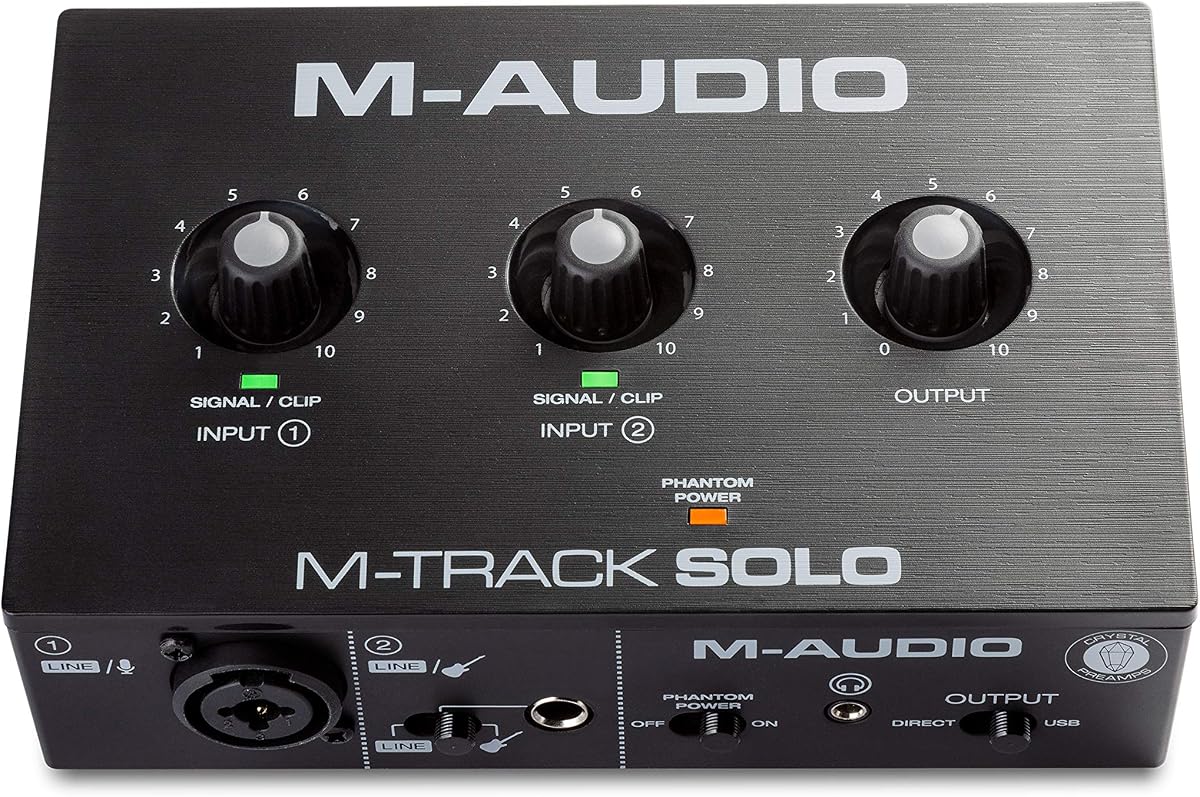
The Solo version is designed for minimalists needing basic recording capabilities. It provides exactly one microphone input which is enough for single track vocal or instrument recording.
We may earn a commission when you buy through this link, at no additional cost to you.
Software bundle mirrors the Duo model offering MPC Beats for production. This ensures you have the tools to start creating music immediately after connecting the interface.
Limitations are clear if you plan to record duets. You cannot record two microphones simultaneously so you will need to overdub tracks one by one for multi-instrument projects.
Perfect for solo podcasters or vocalists. If you only need to capture one source at a time this interface offers a straightforward and cost effective solution.
The small footprint makes it ideal for travel or limited desk space allowing you to set up a recording station almost anywhere.
USB Direct switch allows you to monitor without latency ensuring you stay in time while recording vocals or playing instruments comfortably.
We may earn a commission when you buy through this link, at no additional cost to you.
This anniversary edition celebrates a long legacy of audio hardware. It offers reliable Class-A preamps that capture vocals clearly without adding unwanted noise to your recording.
We may earn a commission when you buy through this link, at no additional cost to you.
MIDI I/O is a significant plus for producers using hardware keyboards. Many modern interfaces omit MIDI jacks forcing external adapters which this interface avoids entirely.
Design feels older compared to competitors. While functionality is solid it lacks modern USB-C connections which might affect compatibility with newer computers without dongles.
Great for musicians with hardware keyboards. If you need MIDI integration and quality preamps for a reasonable price this interface remains a competitive option in the market.
MIDI IN and OUT ports allow you to connect synthesizers directly making it easy to capture performances from hardware gear without extra adapters.
Comes with Studio One Artist which is a powerful DAW for beginners helping you learn production while recording your tracks efficiently.
We may earn a commission when you buy through this link, at no additional cost to you.
Selecting the right interface requires balancing budget, features, and connection types.
Firewire interfaces offer low latency but often require legacy hardware. USB and USB-C are now standard for modern PCs offering easier driver installation.
Check your computer ports before buying to ensure compatibility with the interface you choose.
Consider how many microphones or instruments you need to record at once. More inputs allow simultaneous tracking but increase cost.
Choose enough channels for your current needs plus future expansion requirements.
Preamps determine the clarity of your recordings. High quality preamps capture more detail without introducing noise or distortion.
Look for interfaces with transparent or high-headroom preamps for professional results.
Many interfaces include DAWs and plugins that save money on software purchases. Verify which apps are included and if you need them.
Included software can provide immediate value for beginners needing production tools.
Driver quality impacts audio performance and latency. Stable drivers prevent crashes and dropouts during long sessions.
Research user reviews to ensure reliable performance on your specific operating system.
Physical durability matters if you travel with your equipment. Metal casings generally withstand wear better than plastic ones.
Consider how often you will move the interface to decide on durability needs.
If using condenser microphones ensure the interface provides phantom power. This supplies voltage to mics requiring it to function properly.
Check if phantom power is global or per channel based on your microphone setup.
Audio interfaces range from entry level to professional costs. Set a limit that fits your finances without sacrificing essential features.
Balance price with quality to find the best value for your situation.
Start by connecting the interface to your computer using the provided cable. Install any necessary drivers before launching your audio software to ensure recognition.
Connect your microphones or instruments to the appropriate inputs. Adjust gain levels carefully to avoid clipping while capturing clear audio signals.
Keep the interface clean and dry. Store it in a protective case when transporting and avoid placing heavy objects on top to prevent damage.
Most modern PCs lack Firewire ports so you likely need an expansion card if using legacy Firewire audio interfaces. USB alternatives are generally more compatible with newer systems.
Yes the audio interface acts as an external sound card. You should disable your computer's internal sound card in settings to prevent audio conflicts.
Phantom power provides electrical voltage to condenser microphones allowing them to function. It is usually toggled on the interface front panel or via software.
No most interfaces work with any DAW. However manufacturers often bundle specific software with the unit which you may prefer for compatibility.
Latency is the delay between input and sound. Low latency is critical for recording to ensure musicians hear themselves in real time without distracting lag.
USB-C offers faster speeds and reversible plugs. They are becoming standard but older USB interfaces still perform well for most home recording needs.
We reviewed ten top options from budget-friendly choices to premium solutions. Each interface offers unique features suited for different recording needs and budgets.
Prioritize connection type and input count based on your specific workflow. Ensure the interface meets your software and hardware requirements for seamless integration.
Always check current pricing and availability before purchasing. Technology evolves quickly so verifying specs ensures you select the right tool for your project.