
AMD Ryzen Threadripper PRO 7975WX
4.2Editor score
32 cores and 64 threads
160MB cache memory
Eight-channel DDR5 support
This guide compares the best CPUs for 3D rendering including AMD and Intel options for performance efficiency and professional workflow optimization in 2026.
Choosing the right CPU for 3D rendering is crucial for artists and professionals who need fast turnaround times and reliable performance. The best processors balance core count, clock speed, and cache to handle complex scenes efficiently without bottlenecks or thermal throttling.
We evaluated ten top CPUs based on architecture, core count, and real-world rendering capabilities. Our analysis focuses on how each processor handles multi-threaded workloads common in software like Blender and Cinema 4D to ensure you get the best value for your specific needs.
Each pick highlights unique strengths such as cache size, power efficiency, and platform compatibility. Prices fluctuate frequently so verify current costs before buying. These selections represent the best options available for 3D rendering tasks in November 2026.
4.2Editor score

4.7Editor score

4.8Editor score
This comparison table provides a side-by-side look at key specifications for all ten processors. Use this data to quickly identify core counts, cache sizes, and boost frequencies that align with your rendering workloads and budget constraints.


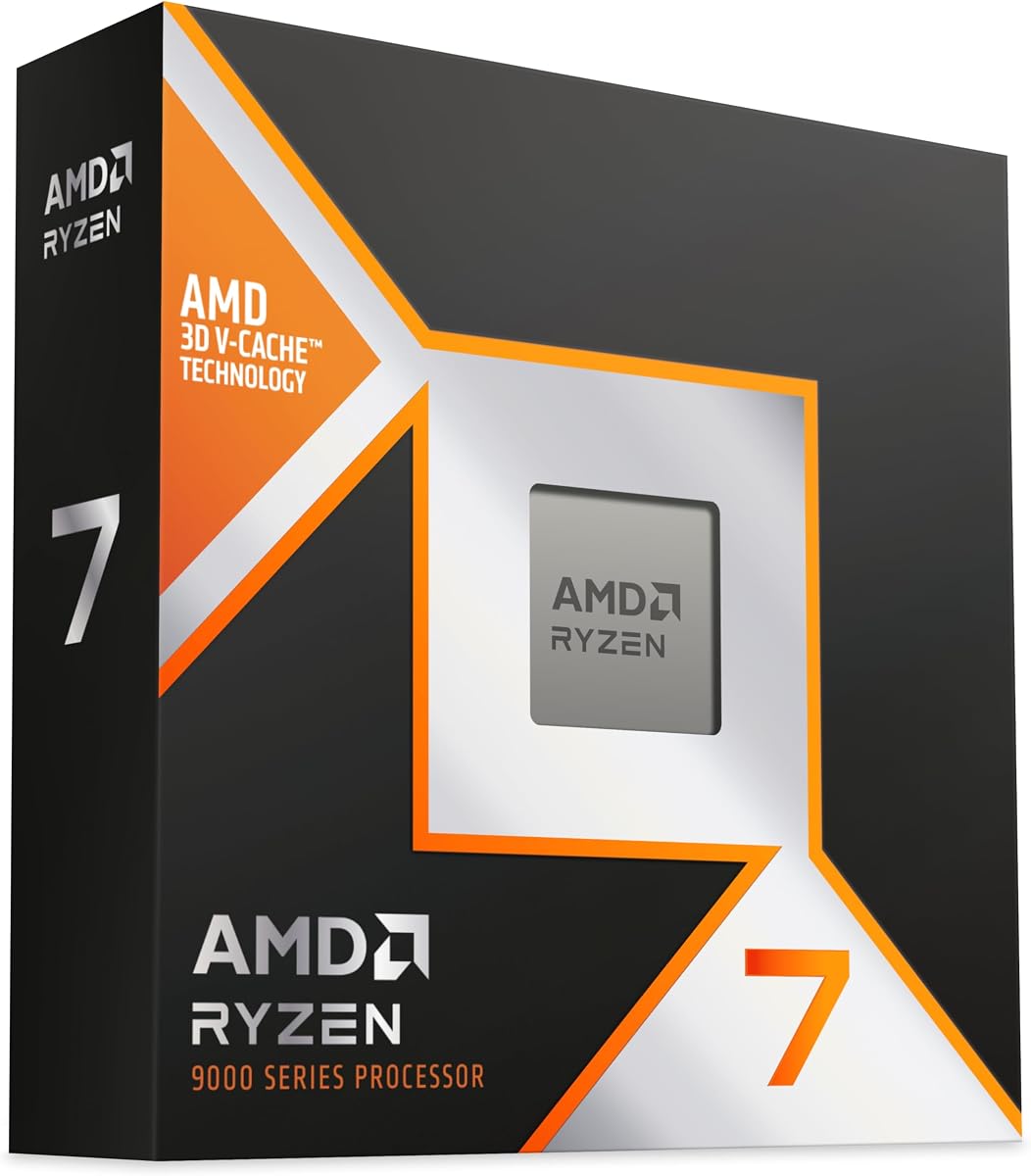


The AMD Ryzen 9 9950X3D stands out as a top performer for rendering tasks thanks to its robust architecture and core count. It delivers consistent performance across demanding workloads making it ideal for professionals needing reliability and speed in equal measure.
We may earn a commission when you buy through this link, at no additional cost to you.
Its Zen 5 architecture provides significant improvements in instructions per clock which translates to faster render times. The 16 cores and 32 threads ensure that complex scenes are processed efficiently without significant downtime or system bottlenecks.
While it offers incredible performance the need for strong cooling is a consideration. Users should invest in a high-quality liquid cooler to maintain peak boost clocks during extended rendering sessions without thermal throttling impacting output.
This processor is perfect for serious 3D artists and studios prioritizing speed and stability. If you need a workstation CPU that balances gaming and creation this model provides excellent value for its performance capabilities.
The high core count ensures simultaneous processing of rendering tasks reducing wait times significantly.
AM5 socket support allows for future upgrades without replacing the motherboard or memory.
We may earn a commission when you buy through this link, at no additional cost to you.
The AMD Ryzen Threadripper PRO 7975WX is engineered for enterprise-level rendering demands requiring immense parallel processing power. Its 32 cores allow for handling extremely complex scenes that would stall lesser processors during simulation or final rendering passes.
We may earn a commission when you buy through this link, at no additional cost to you.
With 160MB of cache memory data access is incredibly fast which is vital for large textures and geometry datasets. The eight-channel memory support ensures bandwidth is never a bottleneck even with massive models or heavy textures.
The price point is substantial and requires a specific server-grade motherboard platform which adds to the total system cost. This investment is justified only for studios needing maximum throughput and memory capacity for professional pipelines.
Choose this if you run a professional rendering farm or handle heavy enterprise workloads. It is the ultimate tool for those who need absolute maximum performance and memory capacity available in consumer-grade platforms.
32 cores enable simultaneous execution of multiple rendering tasks reducing overall project time.
Eight-channel DDR5 support provides ample bandwidth for large datasets and textures.
We may earn a commission when you buy through this link, at no additional cost to you.
The AMD Ryzen 5 9600X offers a compelling entry point for 3D rendering on a tight budget. While it has fewer cores than high-end models its high clock speeds deliver respectable performance for lighter scenes and learning projects.
We may earn a commission when you buy through this link, at no additional cost to you.
Its Zen 5 architecture ensures efficient power usage which helps keep build costs down by reducing cooling and PSU needs. This makes it an ideal choice for students or hobbyists who need reliable performance without breaking the bank.
Rendering complex scenes may take longer due to the six core limit compared to higher tier chips. However for many workflows this speed is sufficient and the savings allow investment in better GPUs or more RAM.
This processor is best for beginners or those prioritizing single-thread performance. If you work with moderate complexity projects this CPU provides a solid foundation for building a capable rendering workstation.
Low price makes advanced Zen 5 technology accessible to budget-conscious creators.
Reduced power draw lowers cooling and energy costs over the system lifespan.
We may earn a commission when you buy through this link, at no additional cost to you.
The AMD RYZEN 7 9800X3D brings specialized 3D V-Cache technology which can benefit specific rendering tasks involving heavy data sets. While marketed for gaming the large cache memory helps in reducing latency during complex scene calculations.
We may earn a commission when you buy through this link, at no additional cost to you.
With eight cores and sixteen threads it offers a balanced approach for creators who also game or multitask heavily. The power efficiency allows for sustained performance without excessive heat generation compared to older generations.
The extra cache may not boost all rendering engines equally and multi-core tasks might benefit more from raw thread counts. It remains a solid choice however for those needing a versatile system for mixed use cases.
This CPU is ideal for hybrid users who need strong performance across both work and leisure. Its cache design offers a unique edge in scenarios requiring rapid data access during rendering processes.
Large cache reduces latency for data-heavy rendering tasks and simulations.
Suitable for both creative workloads and high-performance gaming applications.
We may earn a commission when you buy through this link, at no additional cost to you.
The AMD Ryzen 7 7800X3D remains a popular choice due to its efficient 5nm process and high cache capacity. It delivers reliable performance for rendering tasks that benefit from fast data retrieval and single-thread efficiency.
We may earn a commission when you buy through this link, at no additional cost to you.
Its eight cores and sixteen threads provide a decent balance for mid-range rendering workloads. Users appreciate the reduced power consumption and thermal output which simplifies cooling requirements and lowers noise levels during operation.
While it is an older generation model it still holds up well against newer entries in many scenarios. The trade-off is fewer cores compared to top tier options which might slow down very large project processing.
Choose this processor if you need a cost-effective reliable CPU with strong caching capabilities. It suits users who value efficiency and moderate performance over raw core counts for their rendering workflows.
Advanced manufacturing ensures better power efficiency and lower heat output.
High L3 cache enables faster access to frequently used rendering data.
We may earn a commission when you buy through this link, at no additional cost to you.
The AMD Ryzen 7 9850X3D introduces next-generation architecture designed for high performance and efficiency. It leverages advanced cache technologies to improve processing speeds for rendering tasks that require rapid data access.
We may earn a commission when you buy through this link, at no additional cost to you.
Built on the AM5 platform it offers a clear upgrade path for future processors without changing the motherboard. This forward compatibility is a major advantage for users planning to evolve their workstations over time.
The eight core configuration is adequate for most creative workflows but may not compete with high-thread workstation CPUs. Users benefit from the improved IPC which translates to faster execution of instructions per clock cycle.
This processor is best for those seeking the latest technology with balanced performance. It suits professionals who value platform longevity and efficient power usage in their daily rendering tasks.
Latest core design delivers improved performance and efficiency for modern tasks.
AM5 socket ensures support for future processors without motherboard changes.
We may earn a commission when you buy through this link, at no additional cost to you.
The AMD Ryzen 9 9950X is designed for creators needing high core counts for multi-threaded rendering workloads. With 16 cores and 32 threads it handles complex scenes with ease and offers unlocked overclocking for maximum performance.
We may earn a commission when you buy through this link, at no additional cost to you.
Its Zen 5 architecture ensures efficient processing of instructions which is vital for reducing render times. The high boost clock allows it to excel in tasks that still rely on single-core performance while maintaining throughput.
Power consumption is significant so a robust cooling solution is recommended to sustain high clock speeds under load. Users must weigh this requirement against the performance benefits for their specific rendering needs.
This processor is ideal for professionals prioritizing raw multi-core power in a desktop format. If you need to process large projects quickly this model offers excellent performance and platform flexibility.
16 cores and 32 threads significantly accelerate multi-threaded rendering tasks.
Users can tune clocks for maximum performance based on cooling capabilities.
We may earn a commission when you buy through this link, at no additional cost to you.
The AMD Ryzen Threadripper PRO 5955WX is a workstation-grade CPU known for stability and consistent performance in professional environments. Its 16 cores provide reliable throughput for rendering tasks requiring sustained processing power.
We may earn a commission when you buy through this link, at no additional cost to you.
Support for DDR4 memory simplifies upgrades for existing systems transitioning to a pro platform. The processor is built for reliability ensuring it can handle daily heavy use without unexpected failures or thermal issues.
While it uses an older platform the stability it offers is valuable for mission-critical production pipelines. Users must consider memory speed limitations compared to newer DDR5 platforms when planning system builds.
This CPU suits professionals needing a balance of performance and reliability in a workstation setup. If uptime is critical for your rendering workflows this processor delivers consistent results over time.
Designed for professional stability ensuring consistent performance during long tasks.
Established design reduces risk for critical production rendering workflows.
We may earn a commission when you buy through this link, at no additional cost to you.
The Intel Core Ultra 7 Processor 270K Plus offers a hybrid architecture combining performance and efficiency cores for versatile rendering work. Its 24 cores provide a high thread count that accelerates parallel processing tasks significantly.
We may earn a commission when you buy through this link, at no additional cost to you.
Support for PCIe 5.0 ensures compatibility with the latest graphics cards and storage drives which is vital for high-speed data throughput. The boost clock speeds ensure that single-threaded tasks are executed quickly without latency.
You need a specific LGA 1851 motherboard which may add to initial build complexity. However the platform is designed for future growth and provides a solid foundation for advanced creative systems.
This processor is best for users looking for high core counts and modern platform features. If you work with complex scenes this CPU provides the power needed to handle intensive rendering workloads.
Performance and efficiency cores balance power use and throughput effectively.
PCIe 5.0 support ensures fast data transfer for modern storage and GPUs.
We may earn a commission when you buy through this link, at no additional cost to you.
The AMD Ryzen 9 5900XT delivers a strong balance of core count and price for budget-conscious professionals. With 16 cores and 32 threads it handles multi-threaded rendering tasks efficiently without requiring the latest platform hardware.
We may earn a commission when you buy through this link, at no additional cost to you.
Its Zen 3 architecture remains competitive in rendering scenarios and supports DDR4 memory which keeps build costs down. This makes it a practical choice for upgrading existing AM4 systems without replacing the entire platform.
While it lacks the latest architectural improvements the raw thread count ensures it stays relevant for heavy workflows. Users should note that future upgrades will require moving to AM5 and DDR5 for maximum performance.
Choose this processor for a cost-effective build with high core capacity. It is ideal for those who need strong multi-threaded performance without the premium cost of newer generations.
16 cores offer significant rendering speed at a lower price point.
DDR4 memory compatibility reduces memory cost for new builds.
We may earn a commission when you buy through this link, at no additional cost to you.
Selecting the right CPU involves balancing core count, architecture, and budget to match your specific rendering needs. This guide explains key factors to consider when evaluating processors for 3D workloads.
For 3D rendering multi-threaded performance is often critical. Higher core and thread counts allow your CPU to process more parts of a scene simultaneously reducing total render times significantly.
Aim for at least 16 cores for serious work. Entry-level users can start with 6 to 8 cores but expect slower results on complex scenes.
Newer architectures like Zen 5 offer better Instructions Per Clock which means faster execution even with fewer cores. Always prefer the latest generation available for your budget.
Older generations like Zen 3 offer value but lack modern efficiency gains. Check the architecture to ensure long-term relevance for your workflow.
High boost clocks are essential for single-threaded tasks and simulation. Many rendering steps still rely on single core performance making speed as important as core count.
Look for boost speeds above 5GHz where possible. High frequency ensures responsiveness during interactive design and modeling work.
Large cache helps with data access during complex rendering calculations. Models with 3D V-Cache or large L3 cache perform better with heavy geometry and texture loads.
Prioritize CPUs with higher cache counts if your scenes are geometry heavy. This minimizes data bottlenecking during critical processing stages.
Ensure the CPU matches your motherboard socket. AM5 supports future upgrades while AM4 offers budget legacy options. Check compatibility before purchasing to avoid hardware conflicts.
Choose AM5 for future-proofing. It supports DDR5 and PCIe 5.0 which are vital for next-gen storage and GPU performance.
High performance CPUs generate significant heat. Ensure you have adequate cooling to maintain boost clocks. Overheating leads to throttling and slows down your rendering process.
Invest in a high-quality cooler especially for higher wattage chips. Liquid cooling is recommended for multi-core workstation CPUs to maintain stability.
DDR5 memory provides higher bandwidth which is crucial for large datasets. If your motherboard supports it always choose DDR5 for rendering workflows.
Check memory speed support. Faster RAM speeds can improve stability in memory-bound rendering tasks and reduce processing latency.
Determine your budget range before choosing. A mid-range CPU often offers better value than high-end models for beginners. Prioritize features you actually use.
Balance the cost against your current needs. If you are learning start with a lower core count and upgrade as your project complexity grows.
Proper installation is the first step to ensure reliability. Apply thermal paste carefully and secure the cooler evenly to prevent hotspots that could cause throttling during long renders.
Regularly update your BIOS and drivers to get the latest performance optimizations. Manufacturers frequently release updates that improve stability and boost clock consistency for 3D workloads.
Monitor temperatures during operation using tools like HWiNFO. Ensure your system stays within safe limits and clean dust from filters and fans periodically to maintain airflow efficiency.
The AMD Ryzen 9 9950X3D is often recommended due to its high core count and efficient architecture. It balances fast single-thread speed with strong multi-threaded performance which Blender relies on for both viewport and final rendering tasks.
Yes large cache memory reduces the time the CPU spends waiting for data. For complex scenes with heavy geometry cache helps processing significantly compared to models with less cache memory.
For serious work aim for at least 16 cores. Beginners can start with 8 to 12 cores but expect longer wait times on complex projects.
DDR5 is generally better for new builds due to higher bandwidth. It helps with large datasets and reduces bottlenecks during heavy rendering work.
Absolutely. Rendering is a continuous high-load task that generates heat. A robust cooler ensures the CPU maintains boost clocks without throttling which saves time and extends hardware life.
For professional studios with tight deadlines and complex projects yes. Workstation CPUs offer reliability and memory capacity that consumer chips may lack.
It depends on the socket. AM5 supports future upgrades so you can keep the motherboard. AM4 is end-of-life so future changes require a new platform.
Zen 5 offers higher IPC and better power efficiency. This means tasks are completed faster with the same power usage which is vital for long rendering sessions.
The AMD Ryzen 9 9950X3D and Threadripper PRO 7975WX stand out as top choices for performance. They deliver the speed and capacity needed for professional workflows and complex scene processing.
If you are on a budget the Ryzen 5 9600X or Ryzen 9 5900XT offer excellent value. They provide solid multi-core power without the premium price of flagship workstation models.
Always check current prices and compatibility before buying. Rendering needs vary and investing in the right hardware ensures you can meet deadlines and deliver high quality creative work efficiently.