
PILSAMAS WiFi Caregiver Pager
4.1Editor score
Smart app control
Wearable wristband button
230ft range
This guide compares the top 10 elderly monitoring systems for safety and peace of mind, evaluating features like fall detection and video monitoring.
Finding the right monitoring system for aging loved ones is crucial for safety and independence. These devices help caregivers stay connected and alert to potential risks without being intrusive.
We evaluated ten leading models based on reliability, ease of use, and critical features like fall detection and two-way audio. Each option offers unique benefits for different care scenarios.
Every pick highlights key strengths and honest trade-offs to help you decide. Remember that availability and pricing can change, so check current details before purchasing.
4.1Editor score

4.4Editor score

4.1Editor score
Below is a side-by-side look at all ten systems, highlighting their core capabilities to help you compare options quickly.

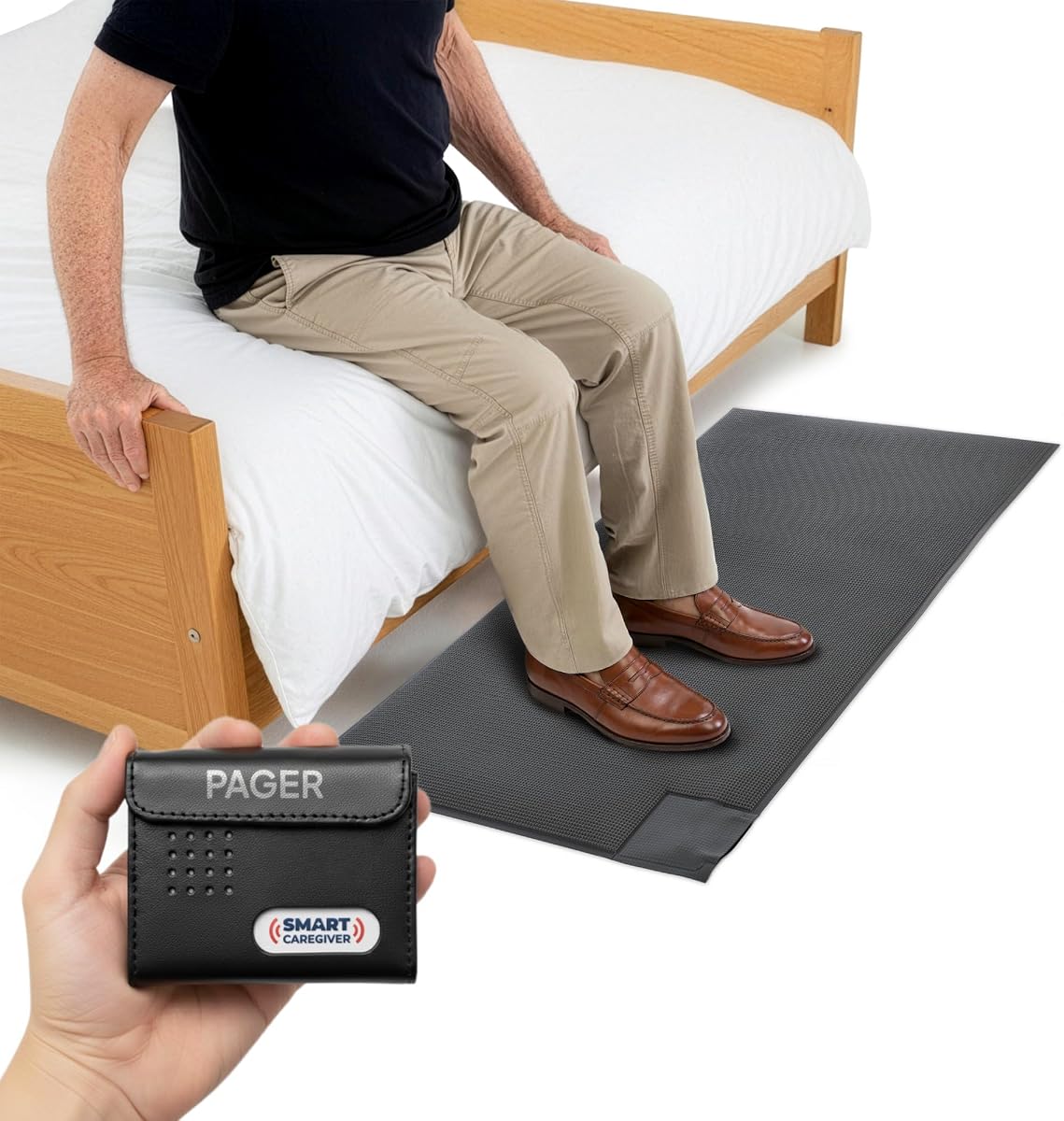




This bed alarm system stands out by sending alerts to a pager you carry rather than sounding a loud alarm by the bed. It respects the dignity of seniors by avoiding restraint-like devices while keeping you informed.
We may earn a commission when you buy through this link, at no additional cost to you.
The patented PreRise sensor sits at hip level to detect movement before a fall happens. It connects wirelessly with a handheld pager offering adjustable volume and vibration modes for peace of mind.
Setup requires no tools or Wi-Fi. The pressure pad is large and durable lasting up to fifteen months. The only trade-off is the initial cost compared to basic mats.
Best for families seeking dignity and reliability. It works for seniors with dementia or mobility issues without requiring internet or app knowledge.
This system avoids in-room alarms that can cause agitation or fear. Alerts go directly to your pager so the patient remains unaware unless help is needed.
By placing the sensor at hip level instead of shoulder level, it detects rising earlier. This gives you time to respond before the patient steps out of bed.
We may earn a commission when you buy through this link, at no additional cost to you.
Nomo offers a modern approach to medical alerts with a smart hub and wearable tags. It detects falls and sends alerts to a Care Circle or emergency services.
We may earn a commission when you buy through this link, at no additional cost to you.
The system uses a hub with extenders for full home coverage. Two-way voice lets you speak directly through the hub. It includes a 30-day trial for 24/7 monitoring.
This system needs stable WiFi to work well. The subscription cost after the trial may be higher than basic models. It suits tech-savvy homes.
Ideal for those wanting full home coverage without a landline. The wearable tags provide personal protection beyond the house.
The tags detect movement patterns and falls. They send instant alerts to trusted contacts ensuring quick help when needed anywhere in the home.
Clear two-way talk allows direct contact during emergencies. This reduces anxiety by letting caregivers check in or provide instructions instantly.
We may earn a commission when you buy through this link, at no additional cost to you.
This video monitor provides visual and audio contact without needing Wi-Fi. It features an SOS button distinct alerts for bathroom or water needs.
We may earn a commission when you buy through this link, at no additional cost to you.
Clear two-way talk keeps you connected. The portable screen fits on a tabletop or wall. Infrared night vision ensures visibility in the dark. Temperature sensors add extra health monitoring.
The screen is compact and portable which limits viewing distance. Battery life is decent but requires regular charging. Good for daily check-ins.
Best for families wanting visual reassurance without monthly fees. It works well for seniors with dementia who need reminders.
Set medication and meal reminders at regular intervals. This helps those with memory issues stay on track for health and nutrition.
Using FHSS technology ensures a secure connection without internet risks. This protects privacy while keeping the system simple to use.
We may earn a commission when you buy through this link, at no additional cost to you.
This system connects to Wi-Fi to send alerts to your phone. It includes two call buttons and a wearable wristband for panic alerts.
We may earn a commission when you buy through this link, at no additional cost to you.
You can assign custom tones and adjust volumes in the app. Notifications can be shared with family. The wristband is hypoallergenic and adjustable.
It requires a 2.4GHz network. SMS or email alerts may need a subscription. Still affordable for smart home integration.
Great for tech users wanting remote monitoring. It works well in hospitals and nursing facilities too.
Since it uses Wi-Fi you can receive alerts anywhere. This ensures you are notified even if you are not home.
Different buttons trigger different sounds. This helps distinguish between urgent panic alerts and routine requests.
We may earn a commission when you buy through this link, at no additional cost to you.
This floor mat detects steps and alerts a pager. It is placed by the bed or exit door. It offers peace of mind without loud alarms.
We may earn a commission when you buy through this link, at no additional cost to you.
The mat is large and durable. The pager vibrates or beeps. It works for dementia patients to prevent wandering. Setup is simple.
Batteries are not included. The corded connection may be visible. Still a reliable option for fall prevention.
Best for caregivers needing a simple alert system. It allows freedom of movement while keeping the patient safe.
Place the mat near exit doors to alert if the patient tries to leave. This is crucial for dementia care.
The alarm goes to the pager not the room. This keeps the patient calm during the night.
We may earn a commission when you buy through this link, at no additional cost to you.
This pendant offers GPS tracking and fall detection. Alerts go directly to your phone not a call center. It includes two-way calling.
We may earn a commission when you buy through this link, at no additional cost to you.
The waterproof design allows use in the shower. Battery lasts up to six days. Geofencing alerts notify you when zones change.
Monthly fees apply for services. Battery life is good but not continuous. Best for active seniors outside the home.
Ideal for those needing location safety. It gives freedom to move without constant check-ins.
Set safe zones and get notified when your loved one leaves. This prevents getting lost in unfamiliar areas.
One-touch calls go directly to you. This reduces waiting time during emergencies and increases personal connection.
We may earn a commission when you buy through this link, at no additional cost to you.
This portable video monitor offers secure connections without Wi-Fi. It includes a call button and infrared night vision for clear viewing.
We may earn a commission when you buy through this link, at no additional cost to you.
The rechargeable camera allows movement. The monitor has a clip for belt carry. It supports two-way audio with push-to-talk.
Battery management is needed. Connection range depends on home layout. Still a secure option for privacy.
Best for those avoiding internet risks. It ensures simple reliable monitoring for daily care.
Using non-WiFi channels keeps data private. This reduces hacking risks common in internet cameras.
The clip allows you to carry the monitor. This keeps you free to move while watching remotely.
We may earn a commission when you buy through this link, at no additional cost to you.
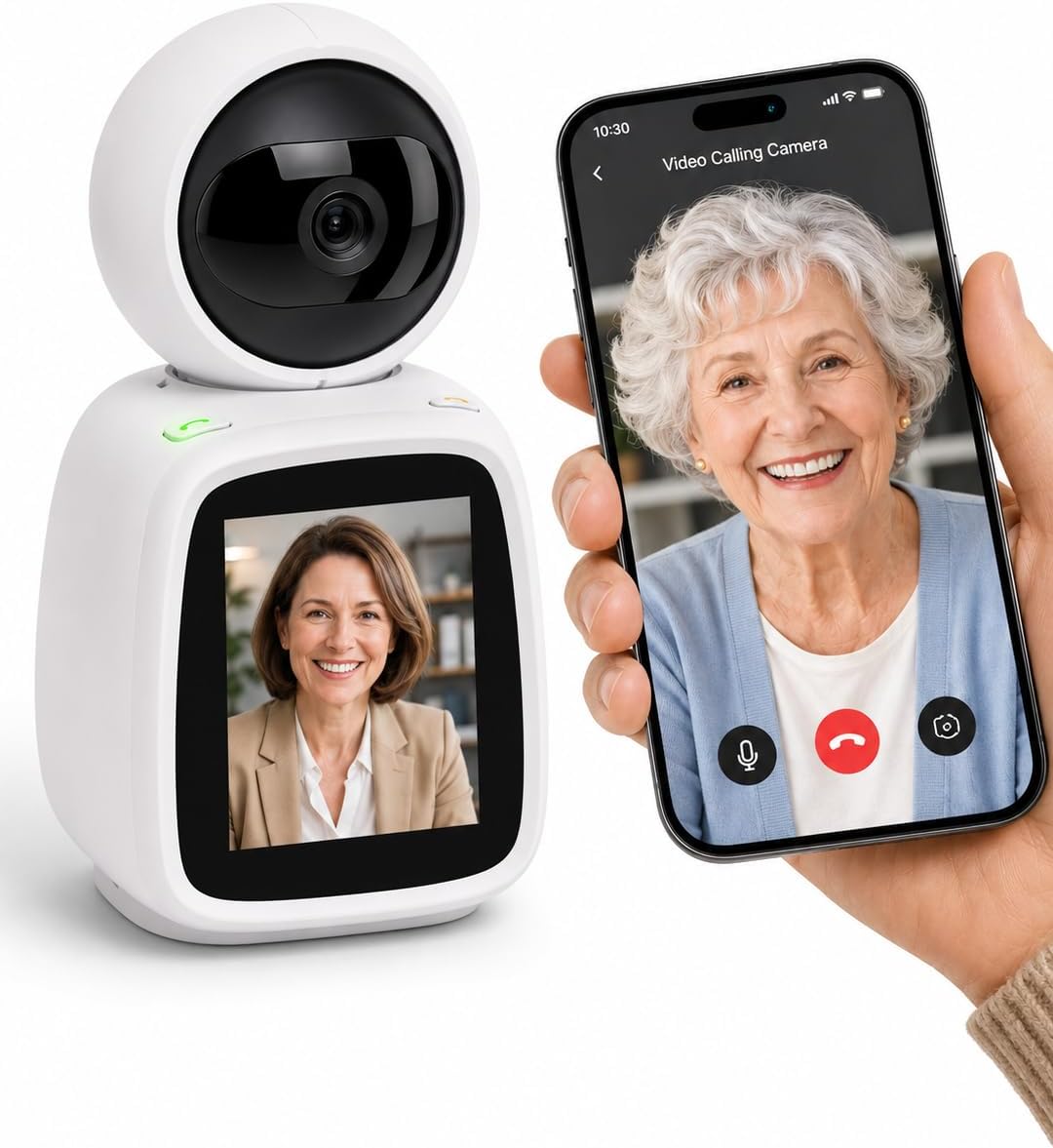
This camera offers one-touch video calling with a screen. It features auto-tracking to keep the user in view.
We may earn a commission when you buy through this link, at no additional cost to you.
You can rotate the lens for privacy. Family photos display as screensavers. Local storage saves videos without subscriptions.
It requires constant power. App settings may be complex for seniors. Still a strong social tool.
Best for seniors wanting social contact. It reduces loneliness with easy visual connection.
Physical lens rotation ensures complete privacy. This respects the senior's dignity when not on call.
The camera follows movement automatically. This avoids the need to adjust manually during calls.
We may earn a commission when you buy through this link, at no additional cost to you.
This system provides secure two-way talk and video. It features an SOS button and temperature alerts for comprehensive monitoring.
We may earn a commission when you buy through this link, at no additional cost to you.
The compact receiver fits in a pocket. Night vision ensures clear images in the dark. It uses FHSS technology for privacy.
Zoom is digital. Battery life is average. Still a solid option for seniors needing prompts.
Best for families prioritizing security. It offers a reliable way to check in daily.
Alerts for water and toilet help daily reminders. This supports those with memory challenges.
The small receiver fits easily in a pocket. This keeps you mobile while maintaining visual contact.
We may earn a commission when you buy through this link, at no additional cost to you.
This simple motion sensor alerts a pager when movement occurs. It is designed for door or bed monitoring.
We may earn a commission when you buy through this link, at no additional cost to you.
The range reaches 300 feet. The bracket is adjustable for easy setup. Batteries are included. It offers an affordable entry.
It does not detect falls. It is just for movement. Best for budget needs.
Best for simple wandering detection. It offers basic safety without high cost.
Place near exits to know when doors open. This helps prevent unauthorized wandering.
For tight budgets this sensor provides essential alerts. It covers basic needs for wandering prevention.
We may earn a commission when you buy through this link, at no additional cost to you.
Selecting the right system depends on your specific needs. These factors help compare features effectively.
Fall detection alerts when a person falls automatically. Sensors detect movement like door opening. Choose based on risk level.
Fall detection is better for those prone to accidents. Sensors are useful for wandering prevention.
Some systems use Wi-Fi for remote access. Others use private radio channels for security. Consider internet reliability.
Private channels protect privacy. Wi-Fi offers flexibility if connection is stable.
Video allows visual check-ins. Audio only saves battery. Decide if sight is necessary.
Video helps with dementia care. Audio is sufficient for routine checking.
Wearables move with the patient. Stationary devices monitor a room. Wearables allow outdoor tracking.
Wearables suit active seniors. Stationary devices monitor the home environment.
Simple buttons and screens help seniors. Complex apps may confuse. Look for one-touch features.
Simplicity reduces resistance to use. One-touch helps in emergencies.
Devices need regular charging. Some last days others hours. Check usage requirements.
Long battery life reduces missed alerts. Ensure chargers are accessible.
Infrared night vision ensures clear images in darkness. This is vital for sleep monitoring. Check range.
Good night vision prevents missed events. Ensure coverage matches the room size.
Many systems need monthly fees. Some offer free local storage. Consider long-term costs.
No subscription saves money. Ensure necessary features are available.
Set up the device in a well-lit area for optimal performance. Ensure the receiver is near a power source and test connections daily.
Clean the camera lens with a soft cloth. Keep sensors dry to avoid moisture damage. Regular maintenance extends life.
Teach family members how to use the features. Update passwords if needed and test emergency functions monthly.
Yes many systems use radio frequencies like FHSS to transmit signals. These private channels protect privacy and work without internet. Some require Wi-Fi for remote features.
Privacy standards vary by model. Local devices with no cloud storage often protect privacy. Check the manufacturer's documentation to confirm security standards.
Some models offer 24/7 monitoring services that contact emergency services. Others send alerts to family contacts. Choose based on your response needs.
Most have low battery alerts on the pager or app. Plan for regular charging. Some have backup power options for critical models.
Yes many systems include specific reminders and sensors for wandering. The non-intrusive alarms respect dignity while ensuring safety.
Many are plug-and-play. Others may need app configuration. Look for systems with minimal steps for easy daily use.
We reviewed ten systems including the Lunderg pager and Nomo hub. Each offers unique benefits for safety and communication.
Prioritize features like fall detection and privacy. Consider your home setup and internet access before buying.
Check current availability and pricing before purchasing. These products may change to fit new standards.